


Buddhism, Christianity, and Islam 101: Religion on the Rebound, Religion on the Run…
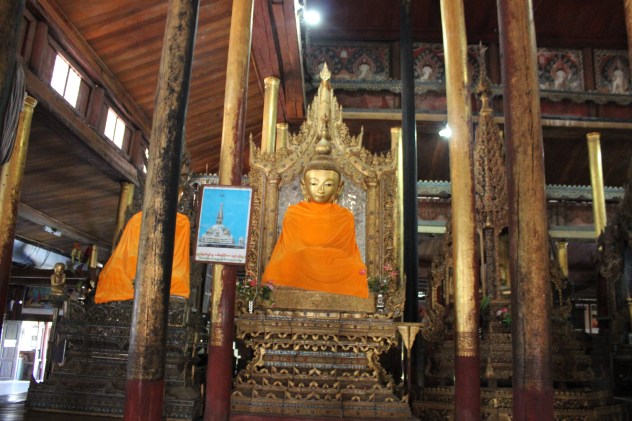 All three major international religions have carried their original premises to ridiculous extremes, along with their adherents, whether cause or effect, those original premises all quite similar, and compatible, variations on the themes of love, righteousness, and perseverance, each with a different focus, Christianity on the love, Islam on the righteousness, and Buddhism on the perseverance…
And from these humble commendable compatible and civilizing influences, each has gone their own ways, Islam to the extremes of religious fundamentalism, holy wars and unholy alliances; Christianity drenched in sex, drugs, and all that rap; and Buddhist perseverance easily given over to passivity, even in the face of the most egregious assaults on basic human rights, individuals reduced to fit in cages, self-imposed prisons of consciousness… (More …)

 I only know that it is more appropriate for these self-engorged capitalistic end-times than the prevailing paradigm, which is probably the cause of this effect. The original teachings of JC and the Buddha are almost superfluous at this point, anyway, what with so much cultural baggage added on over all the years, much of it far from the original teachings…


 Plato’s ‘Allegory (or Myth) of the Cave’ is one of the great works of speculative philosophy, and very special to those who love his work, equal in thought and substance to Jesus’s parables, Einstein’s ‘thought experiments, or the Buddhist sutras, IMHO. This is the starting point to Platonic idealism, much of which was incorporated into Christianity in the early Roman era, until they finally got hip to the more worldly work of Aristotle. Hey, things take time…
 Okay, so I admit it: I’m going through a crisis of confidence with my newfound love of Buddhism, and all that entails. The devil is in the details, of course, as even the ever-tricky Buddha himself well knew, just like Jesus after him, that you pick and choose what to tell the initiates and laypeople at any one time, subject to their capacity to comprehend, assimilate, or even fathom, concepts which may just be a bit difficult to swallow at first, or maybe forever…
 It has long been predicted that Buddhism’s future is in the West, and for better or worse, that may very well be true. So the question then becomes: what kind of Buddhism would that be? For purposes of dialog and dialectic, I see the two chief protagonists to be the Thai Forest Tradition and Zen, both of which have numerous and faithful adherents in the West, and both of which can claim some purity of faith and doctrine…
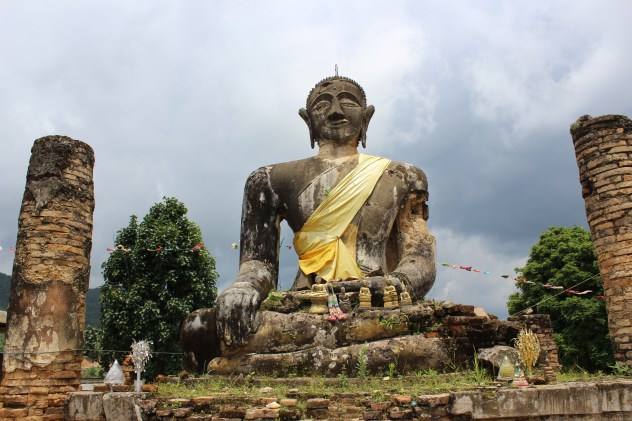 The Burmese came for me that night. I don’t know what I’d done wrong, but I wasn’t waiting around to find out, either. They did not look too happy, any of them, waving arms and guns, and shouting orders, and calling out rude names. So I split, left, took a hike, and quickly, out the back door and down dark alleys, hiding in shadows and avoiding all lights, for fear of being ‘outed’, me and my white skin, ripe for plucking, and easy to bruise and abuse…

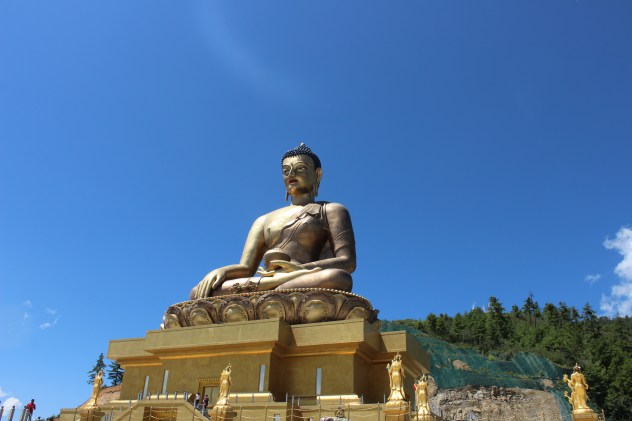 I live in a world of opposites, sometimes Amerika, sometimes Asia, sometimes elsewhere, according to taste, according to style, sometimes necessity. On the surface the two places might not seem much different, shopping malls out the yin or shopping malls out the yang, just now taking over Asia, same time old hat in Amerika, just shut the door on your way out…
 Evam vadi: “Therefore, O Ananda, be ye lamps unto yourselves. Rely on yourselves, and do not rely on external help. Hold fast to the truth as a lamp. Seek salvation alone in the truth. Look not for assistance to any one besides yourselves.”
 In the old days of Nikaya Buddhism, in India, before the Common Era, there were at least seventeen schools of Buddhism, chiefly Sthviravada-derived (including Theravada, Sammatiya, Sautrantika, Savarvastivada, Mulasarvastivada, etc.), and Mahasanghika-derived (Yogacara, Madhyamika, etc.), before finally settling into the three broad Theravada, Mahayana, and Tibetan-Esoteric-Vajrayana-Mantrayana ‘schools’ that we know today. Get the picture? Buddhists are not known for doctrinal agreement…

Reply