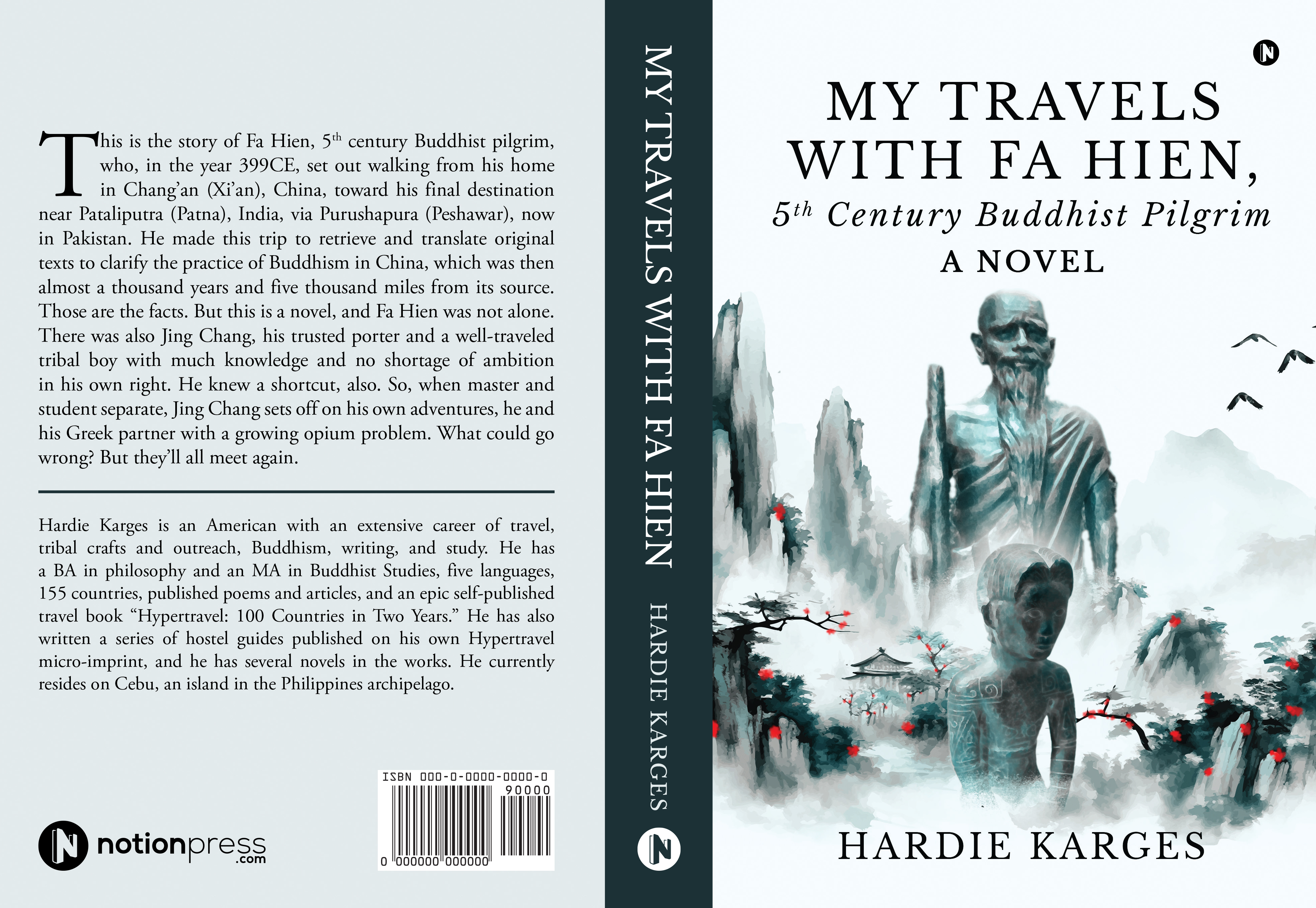


Buddhist Studies: lists of lists, definitions defined and translations translated…
 If there’s anything more annoying, as a Buddhist Studies MA student, than having to memorize lists of lists after lists full of lists from the annals of the ancients, it’s having to plow through the re-definitions of all those terms from the mouths of the moderns (is ‘anals’ a word?). This is not high scholarship. This is the business of busy-work, the intellectual equivalent of keeping that shovel moving to justify your union job, or to keep your position as the arbiter of privilege in the fan-boy chat-pages of Facebook…
Yet that’s what they all do, in the Western Lands, at least, and even in the temples, too, as if only one new definition ‘changes everything’, so that the Pali/Sanskrit word ‘dukkha‘ is no longer merely ‘suffering’ but ‘stress’, ‘anguish, ‘dissatisfaction’, or maybe even just ‘a spot of unpleasantness’ so easily resolved by following that Yellow Brick Road known as the 8FP, Eight-fold Path, when the reality is not so easy at all… (More …)


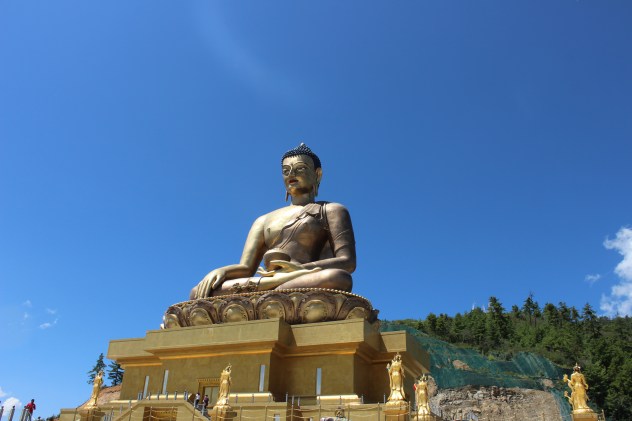 I’m not trying to win any popularity contests, but if I were I’d be telling you things like: “You are the masterpiece! You are connected to every molecule, every atom, and every quark that has ever existed and ever will exist in this or any other universe! You are the dharma! You are the Christ! You are the reason that the sun rises in the morning and goes to bed at night…
 It has long been predicted that Buddhism’s future is in the West, and for better or worse, that may very well be true. So the question then becomes: what kind of Buddhism would that be? For purposes of dialog and dialectic, I see the two chief protagonists to be the Thai Forest Tradition and Zen, both of which have numerous and faithful adherents in the West, and both of which can claim some purity of faith and doctrine…
 The loneliness of travel should be crushing sometimes, but it’s not, not really, and I seem to attract it, by design, as if to do otherwise would mean I’m lazy, and corrupt, too weary in my old age to do the right thing, stay true to my principles, those principles of non-possession, non-attachment and non-consumption…
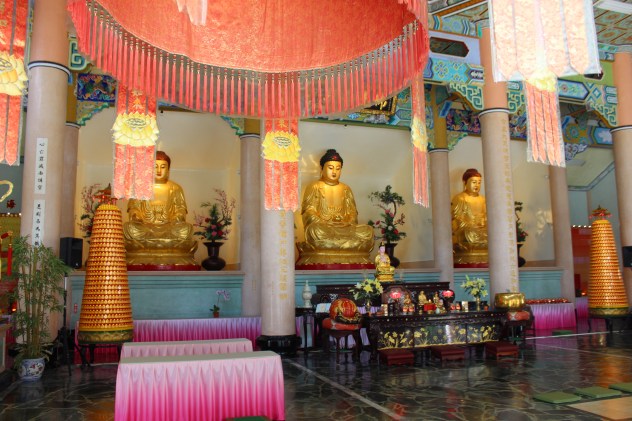 One of the Christian cardinal sins is pride, of course, to which I might add arrogance, same thing, and ignorance, in the original meaning, literally ignoring that which is obvious, not the least of which is the fact that we are alone here in the universe, each one of us individually, by design and definition, and all of us together, by lack of any other evidence, made manifest on a rock hurtling through space at many times the speed of sound, but far less than the speed of light, orbital velocity far more excited and exciting than the slow cool world in which organic life finds its being and us…
 The year 1953 should have been a big one for Buddhism. Something to do with Tibet, you’re probably thinking? No, something to do with the discovery of DNA, I’m thinking, because that meant that we Buddhists would no longer have to twist ourselves into human pretzels and insert our heads halfway up our… meditation postures…

 Despite the quick conclusions of some Western sympathizers, there is nothing more opposed in this world than the modern doctrines of Buddhism and Christianity. Sure they both want you to be good and do good, but beyond that the ways and means are almost exactly the opposite. Christianity plays offense. Buddhism plays defense. Christianity is a religion of action. Buddhism is a religion of renunciation. Christianity is a religion of passion. Buddhism is a religion of dis-passion…


Reply