


Buddhism: Meditation, not Mysticism…

Buddhism was never intended to be mystical. Buddha was very rational in his take on life and suffering. Any mysticism came later, mostly in the Vajrayana Buddhism of Tibet that came directly from India, not China, and which had taken firm hold in that country by the Eight Century CE. And while that ‘school’ of Buddhism is often included in the Mahayana tradition which traveled through, and was greatly influenced, by China, such is not the case with Vajrayana, which derives from a later, maybe the last, Indian Buddhist tradition, before it succumbed to the coup de grace by the invasive Mughals, after centuries of losing ground, and followers, to the Brahmanist Hindus.
About the only thing that all the Mahayana schools have in common, in fact, is that they are not of the original Theravada tradition, which originated in India and found fertile ground in southeast Asia, mostly. And if the Vajrayana tradition is famous for its multiple levels of heaven and hell, its Tantric yab-yum, mudras and mantras, then Theravada (aka Hinayana), is best known for its lack of all that, and concentration on meditation, especially, to the extent that it’s sometimes known by that most famous meditation technique Vipassana. Meanwhile the Mahayana Buddhism of China is probably best defined by its transcendent Buddha and the vast Emptiness of reality, both more recent developments.
Many famous Chinese monks, Fa Xian and Xuanzang foremost among them, even made long arduous trips to India just to get it right, like Charlemagne realizing his 8th century French language wasn’t proper Latin. And mostly I believe that meant learning meditation, and some other disciplines, which Theravada monks usually excel at, and Chinese monks often suck at—to this day. In fact, I didn’t really even know what meditation was until I attended some Theravada-based meditation retreats in Southeast Asia, intended for Asians, not Westerners. When you see a layman sitting silent unflinching for two or three hours lost in no-thought: that’s meditation. The monks are even better at it. Now I get it. Get it.
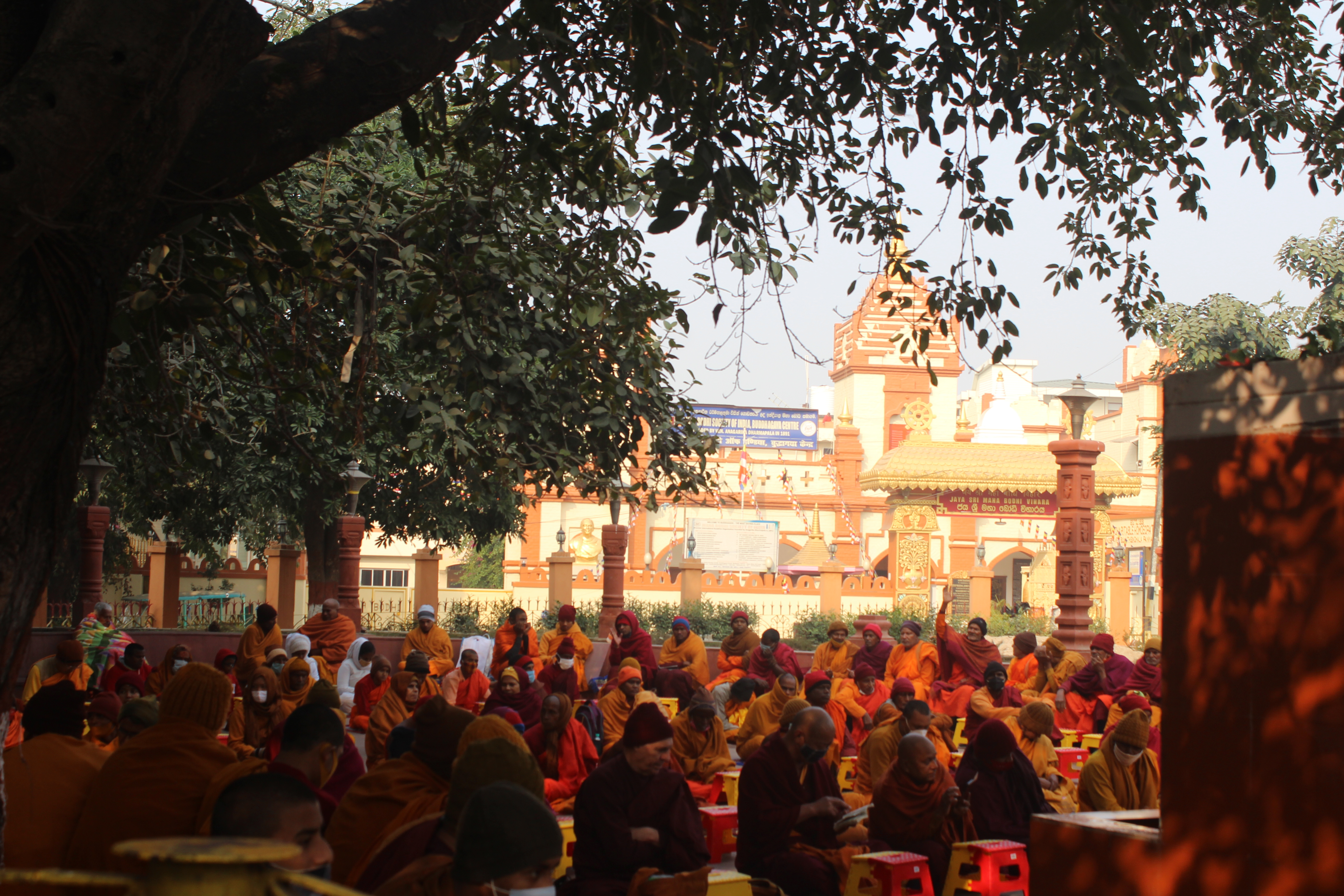


 It has long been predicted that Buddhism’s future is in the West, and for better or worse, that may very well be true. So the question then becomes: what kind of Buddhism would that be? For purposes of dialog and dialectic, I see the two chief protagonists to be the Thai Forest Tradition and Zen, both of which have numerous and faithful adherents in the West, and both of which can claim some purity of faith and doctrine…
 The year 1953 should have been a big one for Buddhism. Something to do with Tibet, you’re probably thinking? No, something to do with the discovery of DNA, I’m thinking, because that meant that we Buddhists would no longer have to twist ourselves into human pretzels and insert our heads halfway up our… meditation postures…
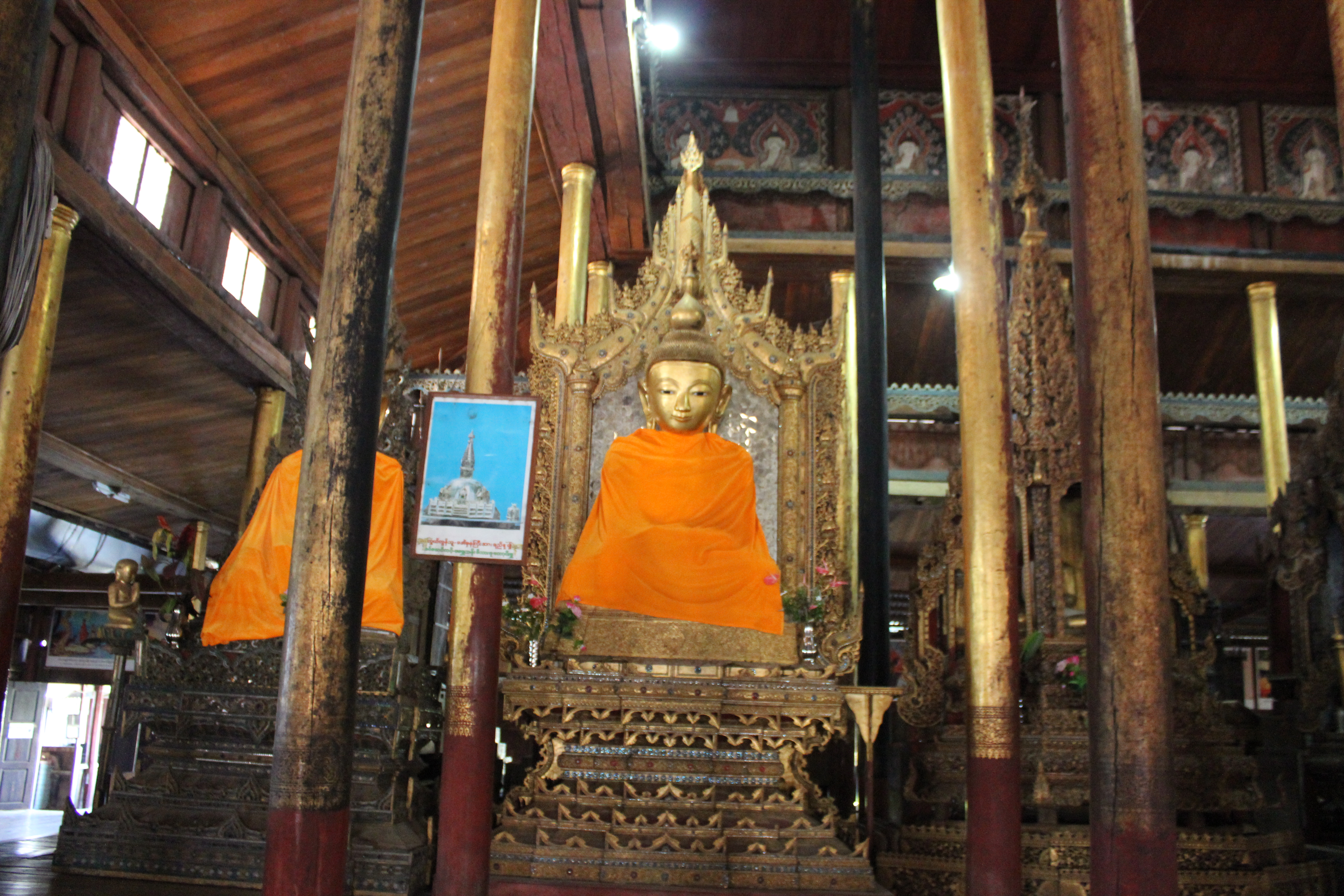 I’m paraphrasing, of course, but this is the question that has plagued—no, let’s say intrigued’—the sangha (Buddhist community) for two and a half millennia, more or less, if not in so many words, then in so many actions, cutting to the chase, and allowing for interpolations and extrapolations, i.e. whether to think big, farming ideas and allowing for fierce and free debate, or to think small, on the achievement of individual ‘liberation’ and the purging of ‘defilements’ from the composite makeshift personalities that we call ‘I’…
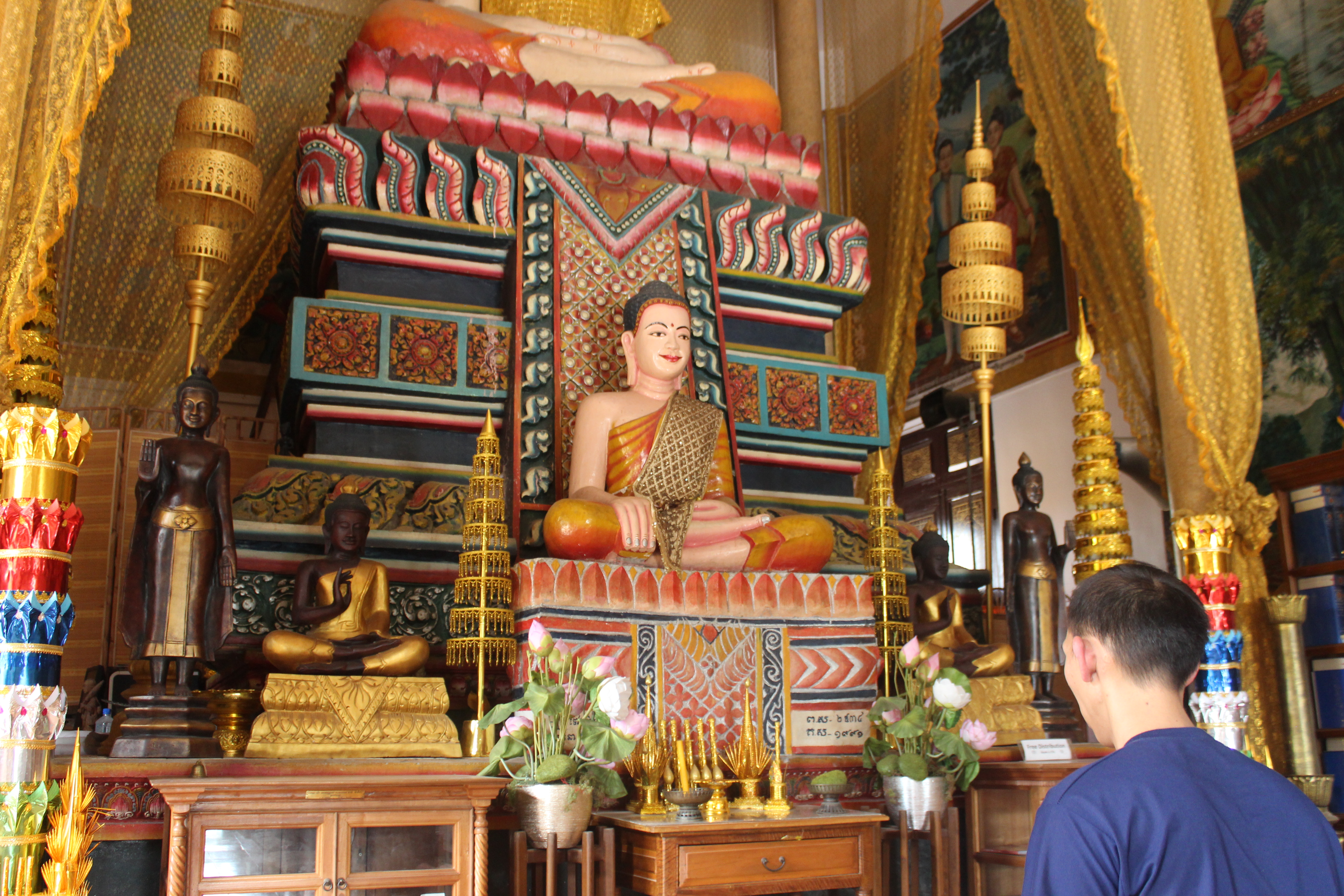 Karma is one of the major tenets of Buddhism, and one of the most misunderstood. The issue of past lives I’ll save for later; first let’s deal with this life. The basic idea is that if you do good things, then good things will happen to you. And if you have to take at least one religious tenet on pure faith to qualify as religious, then I’ll take that one, which I firmly believe, that by doing good, the world is thereby incrementally vaccinated against evil. Thus karma is frequently called the law of ’cause and effect’, BUT…
 The Smiling Pilgrim are discussing.

 No, I’m not a Trump apologist, though I know a few of his supporters, and they’re not bad people, not necessarily, though there are always a few baddies on both sides. I have yet to ‘un-friend’ anyone simply because they’re a Trump supporter, though that possibility rises in direct proportion to the extent that they choose to talk about it. When you’re from Mississippi you learn to choose your words carefully, if not STFU entirely, which is my greatest lesson so far from Buddhism: we all talk too much and say too little…

 streaming consciousness...
Reply