


Buddhism 499: Washing Dishes…

I don’t wash dishes to wash dishes. I wash dishes to get them clean, over and over and over. It can be very meditative. And, of course, that’s what Thich Nhat Hahn meant in his famous quote about “washing dishes to wash dishes,” that that is a meditation in itself, every bit the equal of a walking meditation or even a guided meditation, if not the original cross-legged lotus-pose figure-eight (Thai) immortalized in countless imagery over the ears and centuries, showcasing rishis and maharishis and yogis and sannyasis and vairagis and countless other practitioners of eclectic ascetic disciplines who never wanted to be showcased in the first place. Most just want to be left alone to meditate.
But few have that luxury, since even the most renunciant of yogis still must eat sometime, even if that requires leaving the cave to go into town and beg for it. For most Theravada Buddhists, that is the stylized ritual that forms the foundation for their existence in society, if not the world itself, for which meditation is perhaps the precursor to all. And yes, that is usually best done in the silent and still sitting position, for which the only requirement is just that: be silent and be still. Whatever goes on in your mind is your business, unfortunately. But modern Buddhism has brought many new ways, and so the old ways must re-invent themselves, also, to stay relevant to new Buddhist adepts.
Thus, the TNH invocation to get your meditation wherever you can find it. Mindfulness must be careful not to drift into mindlessness, however, and ‘washing dishes to wash dishes’ comes dangerously close to that, as if there is nothing really to be accomplished in the world and all such efforts are equally destined to fail. The Buddha never said that. But many ‘non-dualists’ do. I don’t. That is a luxury I can’t afford. So, if TNH’s message is to take your meditation where you find it, my message is to make the world a better place, also, in your short time on this piece of earth. Don’t be obsessed with it and/or possessed by it, but don’t waste the opportunity, either.


 I only know that it is more appropriate for these self-engorged capitalistic end-times than the prevailing paradigm, which is probably the cause of this effect. The original teachings of JC and the Buddha are almost superfluous at this point, anyway, what with so much cultural baggage added on over all the years, much of it far from the original teachings…


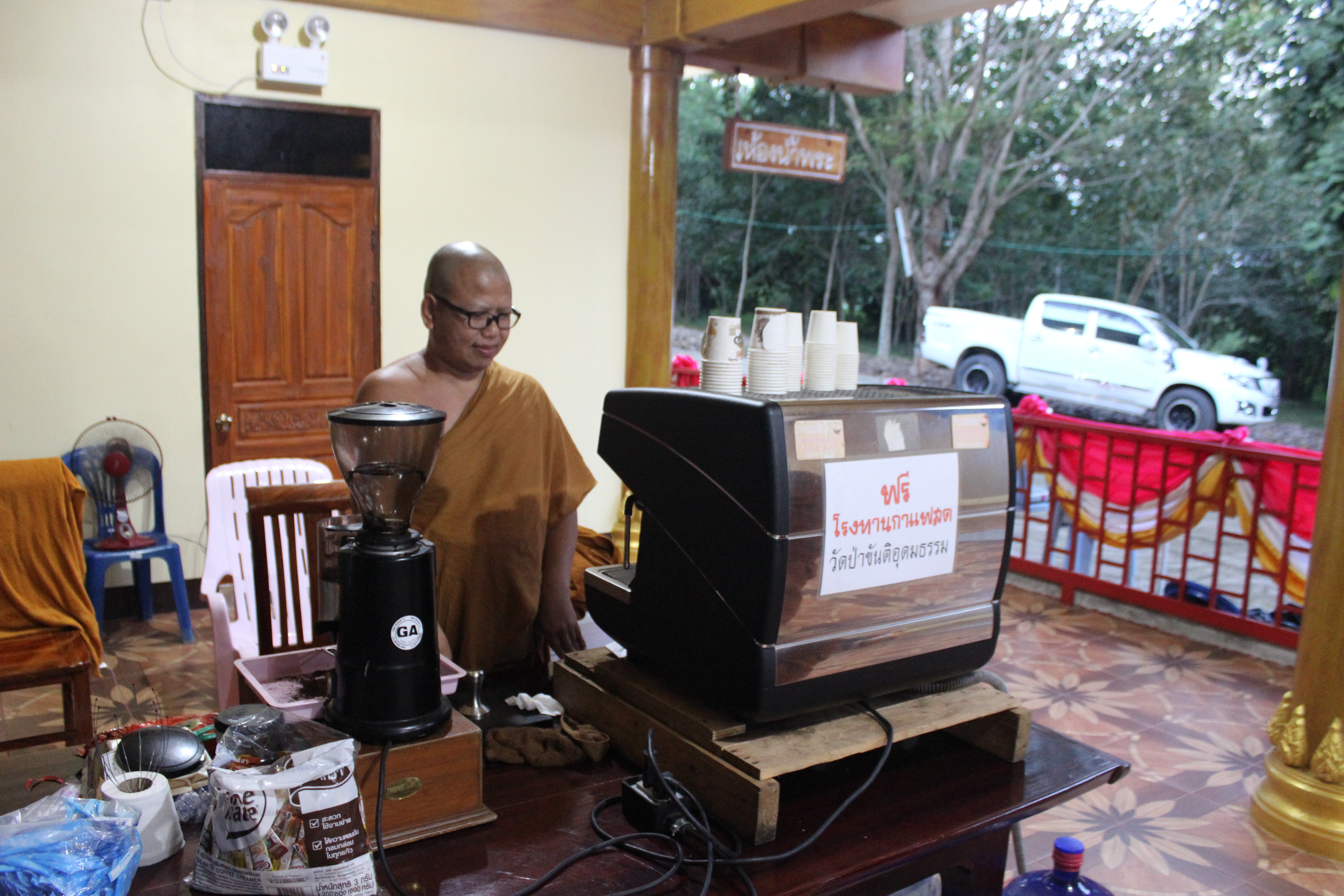 Okay, so I admit it: I’m going through a crisis of confidence with my newfound love of Buddhism, and all that entails. The devil is in the details, of course, as even the ever-tricky Buddha himself well knew, just like Jesus after him, that you pick and choose what to tell the initiates and laypeople at any one time, subject to their capacity to comprehend, assimilate, or even fathom, concepts which may just be a bit difficult to swallow at first, or maybe forever…
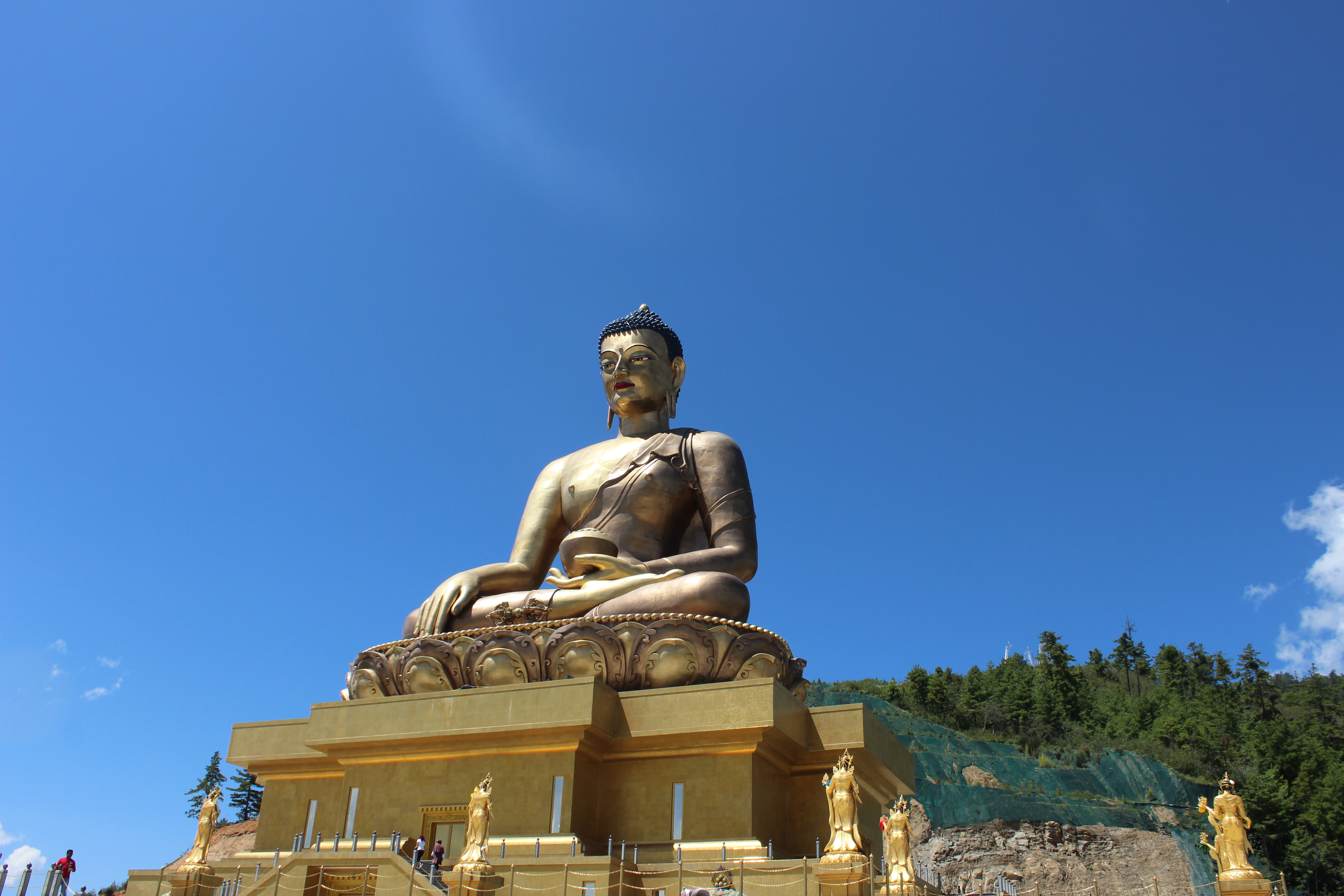 I’m not trying to win any popularity contests, but if I were I’d be telling you things like: “You are the masterpiece! You are connected to every molecule, every atom, and every quark that has ever existed and ever will exist in this or any other universe! You are the dharma! You are the Christ! You are the reason that the sun rises in the morning and goes to bed at night…
 It has long been predicted that Buddhism’s future is in the West, and for better or worse, that may very well be true. So the question then becomes: what kind of Buddhism would that be? For purposes of dialog and dialectic, I see the two chief protagonists to be the Thai Forest Tradition and Zen, both of which have numerous and faithful adherents in the West, and both of which can claim some purity of faith and doctrine…
 Theravada Buddhism has it easy, when it comes to dhamma (dharma) talks, just pull out the old mind-kilesa-breath-nose-navel-‘Buddho Buddho Buddho’ playbook, rinse and repeat, hard to screw up unless you want to get into the murky afterbirth of past lives and kamma (karma), doing Yogic headstands and plotting Ptolemaic cosmic epicycles, trying to explain how anatta (non-self) somehow gets reborn, when there really is nothing there to begin with. But still they do. It’s embarrassing, especially when some of the same ones…

 streaming consciousness...
Reply