


Buddhism of the Present Moment: Averaging Past and Future, Science and Superstition…


Sometimes the only way to remove hatred and ignorance from our lives is to remove the haters and ignorant people from our lives. And fortunately, that’s still possible, as our increasingly crowded world still has some empty places yet to be traversed and social ambitions yet to be fulfilled. But what happens when there is no place to hide, when social mobility comes to a standstill? Where do we go then to find peace and quiet, to find love, knowledge, and acceptance, where before there was only ignorance and hate?
The obvious place to go is inside of course, deep inside, within our own minds and consciousness, both terms that I use with some trepidation, science-lover that I am, when what I really mean is memory. Because other than the constant (live) stream of sense perceptions that occur in real time, then all we really have is memory, which is anathema to the present-moment Buddhist or Eckhart Tolle disciple, but which is nonetheless a major part of our conscious waking moments.
Besides those two there are only dreams, which occur in present time but in an undefined space, and conscious thinking, which some ‘non-dualists’ and latter-day Buddhists (‘thoughts without thinkers’) insist is not really real, but which nevertheless occupy reams and tomes of studied critiques and analyzed comparisons for the only purpose of knowledge itself, any benefits to be derived in subsequent interactions with the same world of biology, chemistry, and physics, or language, history, and psychology, from which it ultimately came in the process of experiment.
And none of that can reasonably be denied, though it could certainly be claimed that we have spiritual lives that are bigger and better than all that. And I would tend to agree. So, the challenge is to make sense of it all, science and meditation, or action and renunciation, so that we can combine lives of action with our spiritual lives, which should also include science, and not just deep introspection, which was all that Buddha—and Plato—had. The answer is implicit, of course, in the Middle Path.
Because that concept of the Middle Path works not only between Buddha’s luxury and lack, or the Mahayanist dichotomy of existence and non-existence, but still works for a modern secular dichotomy between introspection and science. And that is the supreme beauty of Buddhism, of course, that it is an ongoing dialectic, in which wrong choices are corrected. The Buddha himself wasn’t perfect, and even accepted a lesser status for women, which often figures prominently in misguided Buddhist theses for past lives and reincarnation, hint hint. But we can correct the mistakes of the past with the revelations of the present. And so we must.

 hardie karges and


 If you grew up in the USA, then I’m sure at some point you came across the Confucian ‘inversion’ of the Golden Rule in which we are enjoined to: ‘NOT do unto others as you would NOT want them to do to you’, or something like that, chuckle chuckle, snicker snicker, at those crazy Asians who just can’t get it right, gotta’ twist everything around, maybe one day they’ll get it straight…
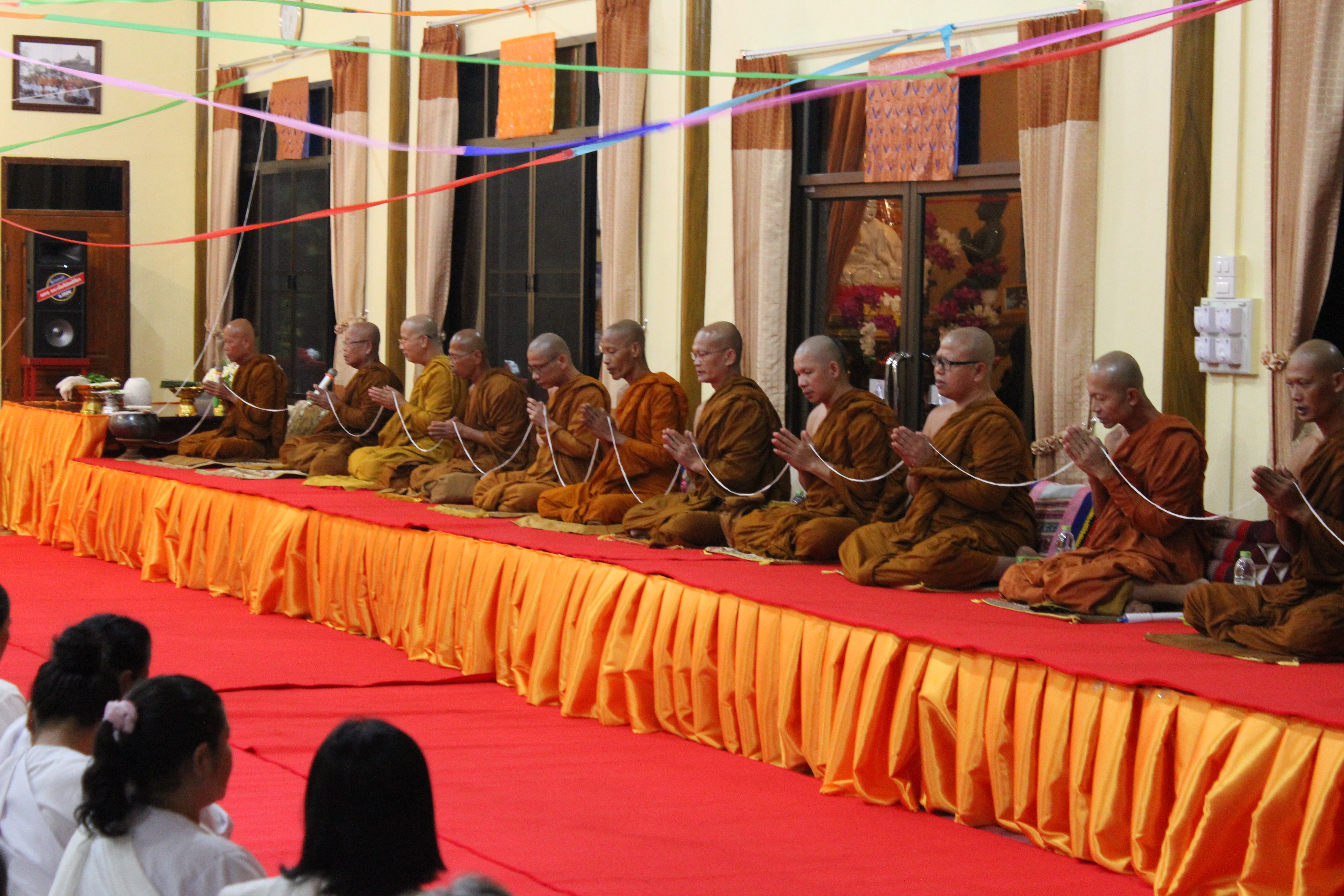 You know the American dream, the whole world does: two-story house and a two-car garage, two kids in the breakfast nook and the neighbor’s kids coming over later, God’s little acre in a sanctified suburb, full ownership and bulging bank accounts, stay-at-home mom and a rising-star dad, with a bachelor’s degree in business and a lotta’ backyard gossip, Saturday at the zoo and Sunday barbecue, PTA meetings and postman’s daily greetings, fried chicken and crispy F
 Buddhism is the path of (ego) imperfection, the path of (ego) weakness, strength in numbers, especially zero, simultaneous voidness and infinity, emptiness implying that something is lacking, hopefully, that we are not hard cold single solitary free-standing proper nouns, but warm flexible adjectives, forever ready to be pressed into service to support the demands of solidity, wherever needed and as called for…

Reply