

The Ways and (Skillful) Means of Buddhism…

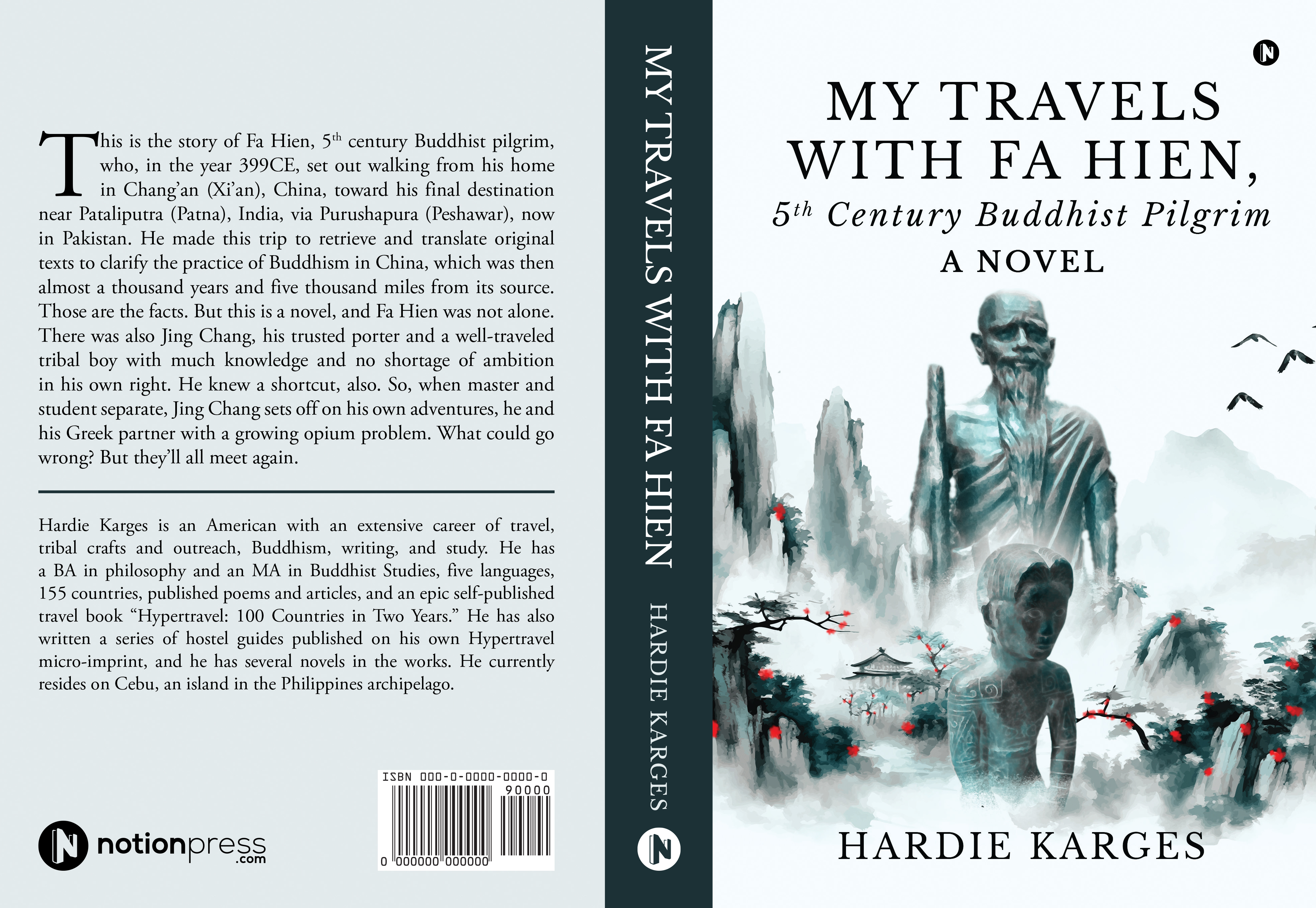
‘Skillful means’ is not about telling people what they want to hear. It’s telling them what they need to hear, in a way that’s acceptable to them. And if this sounds obvious, it can be more complicated than it seems. It can even contradict one of the main precepts in the Eightfold Path, in fact, if it fails to acknowledge the importance of Right Speech. One of the Buddha’s later commentators, in fact, even bragged about how the Buddha could preach about cosmic Self to the Brahmanists, while preaching non-self to the already-committed Buddhists. Fast-forward to the future and a prominent senior Buddhist monk today claims that Buddha, in fact, was never committed to a doctrine of non-self, but was undecided about it (so that we can now accept rebirth with no issue of what it is that gets reborn). But this is not ‘skillful means.’ And this is not Right Speech.
As the New Testament of the Christian Bible is often paraphrased: “Let your yes be yes; and let your no be no.” Bingo. That Buddhism is an open doctrine is fine, and to be commended. That it sometimes gets twisted almost beyond recognition is not always so good. But that’s exactly what happened when Mahayana went in two almost opposite directions from its shunyata (emptiness) starting point, one leading to the Vajrayana of Tibet, the other leading to the Zen of Japan. And for a long time, that’s where Buddhism stood, and stalled, and those are the two extremes that made the biggest impact in the New World—until now. Because now there is a new dialectic to that interplay of magic and trance, and it should be no surprise that the only realistic synthesis would be a return to the primal roots of early Buddhism. So, Theravada now finds its best messaging in its simplest Forest Temples, and the debates in the background resume.
Only this time it is not the background of Brahmanism and Jainism, but dozens of so-called ‘New Age’ ideas and the general air of conspiracy. But for me Secular Buddhism is the rightful heir to the debate with religiosity, something which original Buddhism had not the luxury, because Science as we know it did not exist. But Reason and rationality did, embedded in the nature of cause and effect, the words for which define ‘reason’ in more than one Asian language. And that’s how Buddhism won the original debate, for me, at least, because it was the rational option. And it still can be, if it can find its peace with Science, because that is the air we breathe in this day and age, logic and testing. We only need a belief system to make sense of it all. If not, then ‘belief’ becomes a bad word, synonymous with ‘faith,’ and we are left to our own devices to find succor and solace. I find no contradiction between my Buddhism and the best science we know. If forced to choose, then I will refuse, and let the chips fall where they may.

 hardie karges and


 If you grew up in the USA, then I’m sure at some point you came across the Confucian ‘inversion’ of the Golden Rule in which we are enjoined to: ‘NOT do unto others as you would NOT want them to do to you’, or something like that, chuckle chuckle, snicker snicker, at those crazy Asians who just can’t get it right, gotta’ twist everything around, maybe one day they’ll get it straight…
 You know the American dream, the whole world does: two-story house and a two-car garage, two kids in the breakfast nook and the neighbor’s kids coming over later, God’s little acre in a sanctified suburb, full ownership and bulging bank accounts, stay-at-home mom and a rising-star dad, with a bachelor’s degree in business and a lotta’ backyard gossip, Saturday at the zoo and Sunday barbecue, PTA meetings and postman’s daily greetings, fried chicken and crispy F
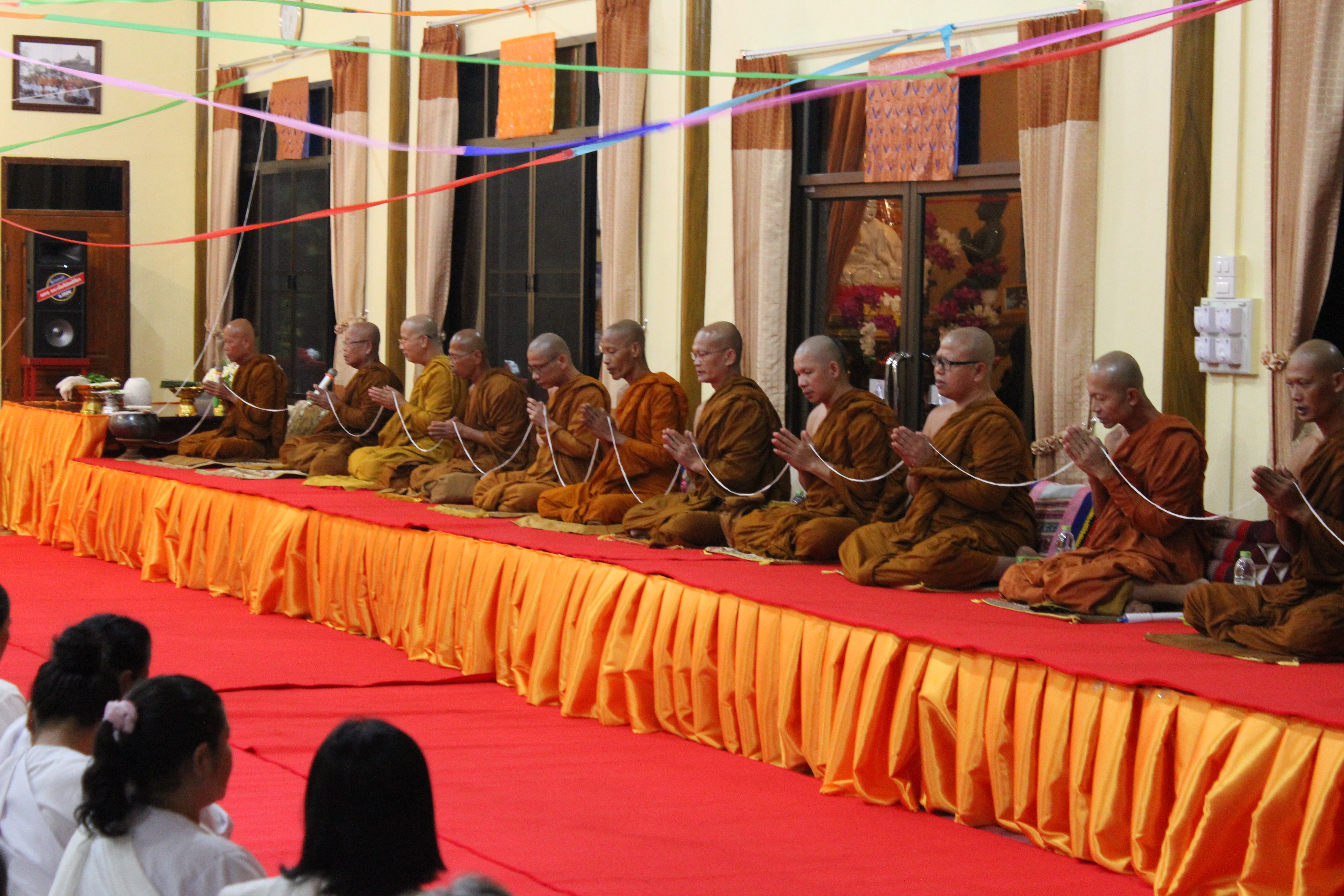
 Buddhism is the path of (ego) imperfection, the path of (ego) weakness, strength in numbers, especially zero, simultaneous voidness and infinity, emptiness implying that something is lacking, hopefully, that we are not hard cold single solitary free-standing proper nouns, but warm flexible adjectives, forever ready to be pressed into service to support the demands of solidity, wherever needed and as called for…
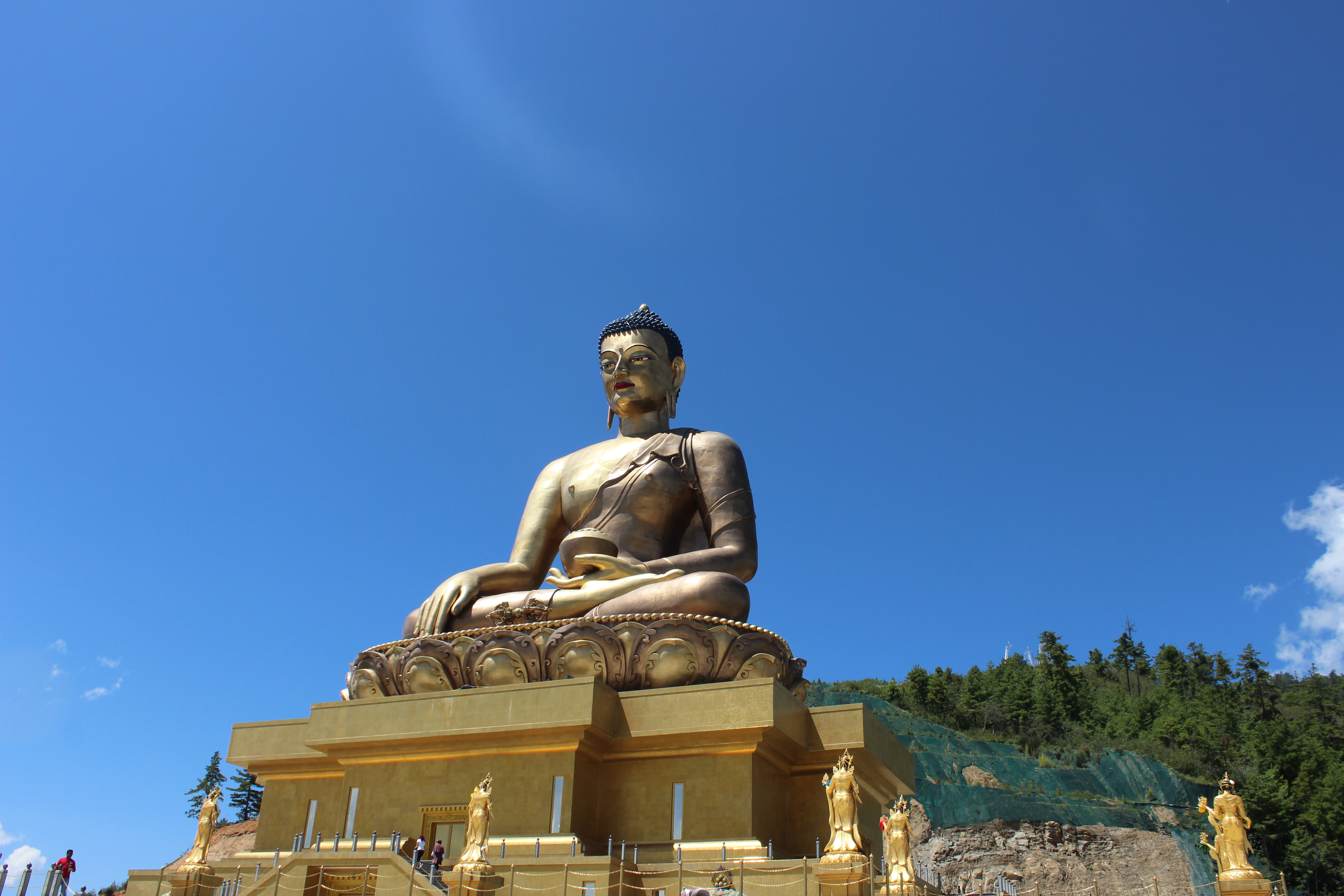 …of religion, science, and life, too, the mostly unrequited wish that “it’s all written,” whether in script or bar-code, to the point of retro-fitting the logic that may or may not have actually led up to some fait accompli, though that accomplished fact was never predicted even at the point of inception. This is the need for happy endings, and the one overriding narrative that drives all others, the one theory of everything…
 Trebronztul, and


 streaming consciousness...
Reply