


Buddhism is all about love—sweet dispassionate love…
 It has long been predicted that Buddhism’s future is in the West, and for better or worse, that may very well be true. So the question then becomes: what kind of Buddhism would that be? For purposes of dialog and dialectic, I see the two chief protagonists to be the Thai Forest Tradition and Zen, both of which have numerous and faithful adherents in the West, and both of which can claim some purity of faith and doctrine…
Tibetan Buddhism I imagine has as many or more adherents as either of the above, but is already mixed-and-mashed to the max, so the purity of doctrine is just not there, for better or worse, not to mention modern sex scandals, a dubious devotion to physical reincarnation, and a generation-jumping karma of retribution that just won’t quit. This was the final chapter to a previous crossroads, in Asia, and what worked there, and then, will not likely work here, and now… (More …)
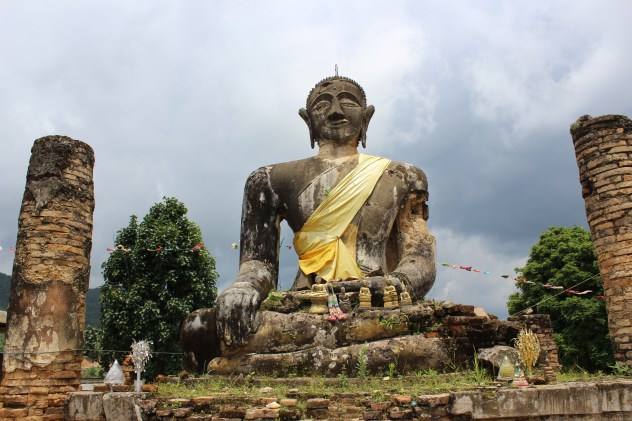 The Burmese came for me that night. I don’t know what I’d done wrong, but I wasn’t waiting around to find out, either. They did not look too happy, any of them, waving arms and guns, and shouting orders, and calling out rude names. So I split, left, took a hike, and quickly, out the back door and down dark alleys, hiding in shadows and avoiding all lights, for fear of being ‘outed’, me and my white skin, ripe for plucking, and easy to bruise and abuse…


 Evam vadi: “Therefore, O Ananda, be ye lamps unto yourselves. Rely on yourselves, and do not rely on external help. Hold fast to the truth as a lamp. Seek salvation alone in the truth. Look not for assistance to any one besides yourselves.”


 In the old days of Nikaya Buddhism, in India, before the Common Era, there were at least seventeen schools of Buddhism, chiefly Sthviravada-derived (including Theravada, Sammatiya, Sautrantika, Savarvastivada, Mulasarvastivada, etc.), and Mahasanghika-derived (Yogacara, Madhyamika, etc.), before finally settling into the three broad Theravada, Mahayana, and Tibetan-Esoteric-Vajrayana-Mantrayana ‘schools’ that we know today. Get the picture? Buddhists are not known for doctrinal agreement…
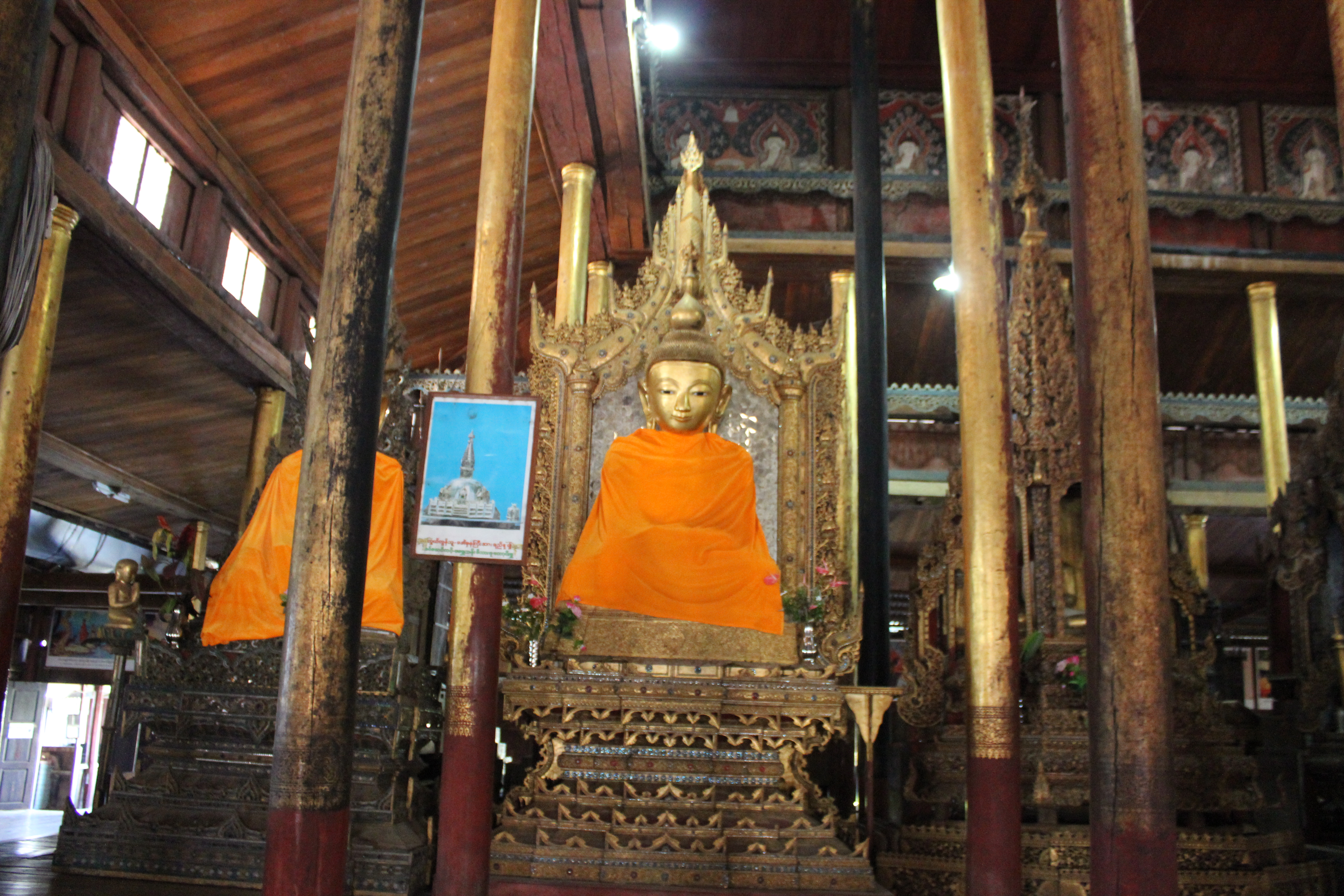 I’m paraphrasing, of course, but this is the question that has plagued—no, let’s say intrigued’—the sangha (Buddhist community) for two and a half millennia, more or less, if not in so many words, then in so many actions, cutting to the chase, and allowing for interpolations and extrapolations, i.e. whether to think big, farming ideas and allowing for fierce and free debate, or to think small, on the achievement of individual ‘liberation’ and the purging of ‘defilements’ from the composite makeshift personalities that we call ‘I’…
 All religions want the same thing—goodness in general, peace brotherhood compassion and mercy in particular. But their prime proponent visionaries—Buddha, Christ and Prophet—each saw different ways of getting there—non-self and non-craving first, love and forgiveness next, and then finally submission and surrender. And all of them can work, if maybe more appropriate for different groups of people at different times in history…
 Buddhism is not supposed to be a religion to get all excited about in the first place, if it’s even a religion at all, but just the opposite, regarding the excitement, that is. That’s Christianity, or Hinduism, singing and dancing, playing organ and banging drums, maybe even a guitar or two, if you’re lucky, and a bottle of wine, singing about Adam and Eva, “In a Gadda da Vida”…


Reply