


Buddhism, and the Cosmic Cockroach of Divine Retribution…

 Hollywood is not the glamour capital of the world, as many people imagine. In fact, it’s pretty slummy, though a vast improvement over a decade or two ago. Remember Kramer’s apartment building during his trip out west (actually just right across town) in the old Seinfeld TV show? Yep, like that (that dive goes for $100 a night, now, BTW, a sure sign of impending gentrification)…
So to see a cockroach or two in the Metro station at Hollywood and Vine is no surprise, especially considering the amount of fast food that gets tossed by the wayside by the area’s homeless, who are apparently equally bin-less, in mind if not in fact. But the elderly lady on the mezzanine level seems particularly entranced by the one she’s found trying to make a run for it, far out of his comfort zone down by the tracks, big and juicy, and slow on the getaway. Actually the lady’s probably younger than I, but you know… (More …)


 “…the animals I’ve trapped/Have all become my pets/And I’m living off of grass/And the drippings from the ceiling/But it’s okay to eat fish/’Cause they don’t have any feelings

 When people ask me about meditation practice and/or Buddhism, I make it clear that meditation is one thing, and Buddhism is another, though I certainly appreciate both, even if knee problems likely mean that I’ll never achieve the classic lotus pose, and maybe not even the half of it…
 Every self-proclaimed atheist takes it as an article of faith (!) that the material world is the real world, and that any competing claims from the realms of religion and/or any other spurious metaphysics must be misguided at best, silly superstition most likely, at worst maybe even one of many conspiracy theory scenarios that inhabit the minds of the disenfranchised and disenchanted…
 Trebronztul, and

 All religions want the same thing—goodness in general, peace brotherhood compassion and mercy in particular. But their prime proponent visionaries—Buddha, Christ and Prophet—each saw different ways of getting there—non-self and non-craving first, love and forgiveness next, and then finally submission and surrender. And all of them can work, if maybe more appropriate for different groups of people at different times in history…

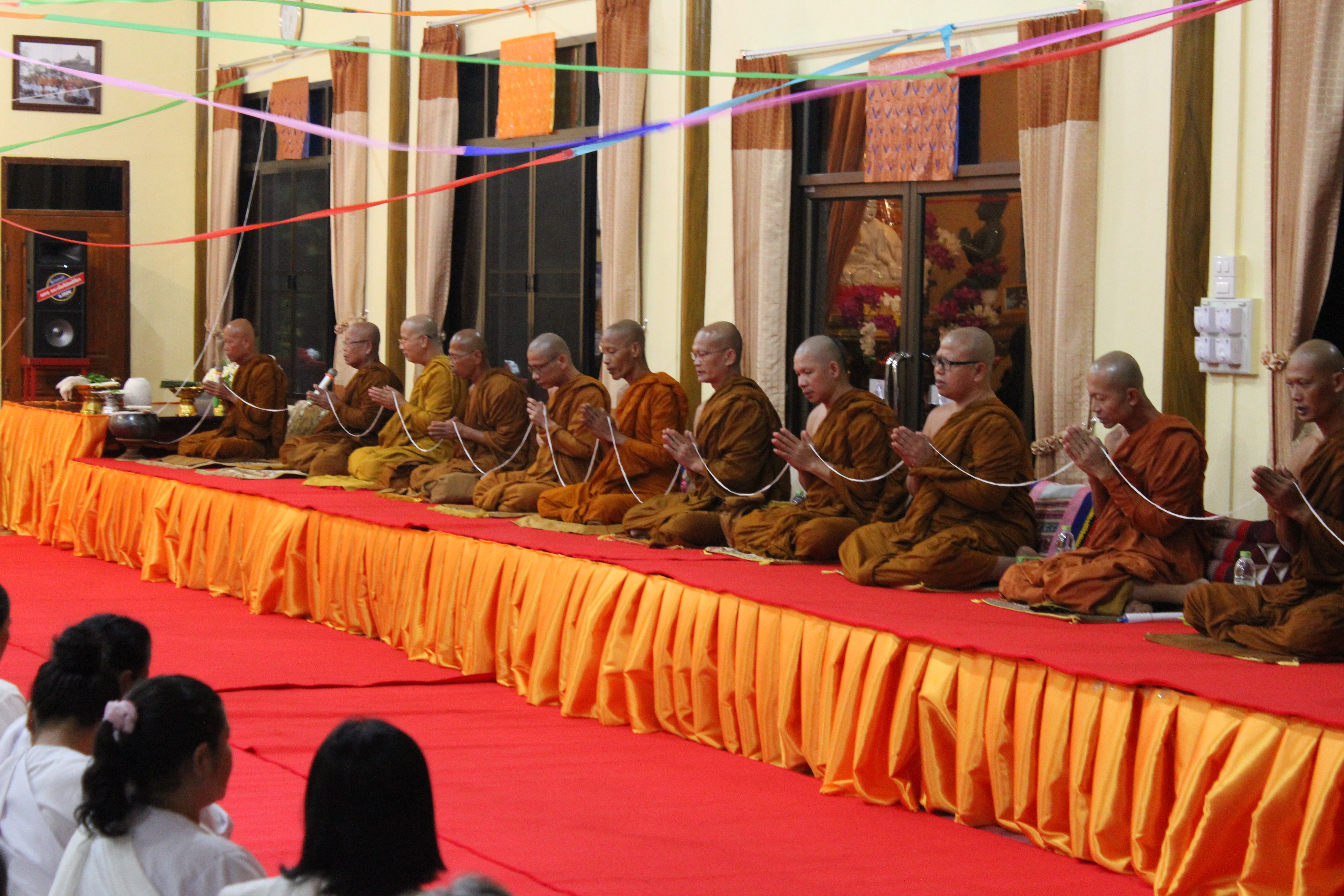 There is no hotter topic in Buddhism these days, or New Age-y esoteric philosophy, than nowness—the Eternal Now, the Infinite Present Moment, etc.—not even mindfulness nor lovingkindness. This is at least partly due to Eckhart Tolle’s popularization of the topic, no doubt, but neither is there any doubt about where he got it, either—Buddhism and/or Hinduism…


tiramit 6:13 pm on July 19, 2017 Permalink |
“(the) mind’s ear, hearing what it’s feeling, substituting imagination for the lack of investigation.” This is a teaching in itself. I’ve never been to Hollywood and the thought that it is not at all what it seems holds my attention for a moment, thanks.
hardie karges 9:52 am on July 20, 2017 Permalink |
You haven’t missed that much in Hollywood, no, thanks!
davekingsbury 3:34 pm on July 20, 2017 Permalink |
That’s the way to do it! I share your horror at the vendetta. Great post, by the way, as good as David Sedaris. Better, actually, because it has a message …
hardie karges 12:21 am on July 21, 2017 Permalink |
Ha, thx, Dave…