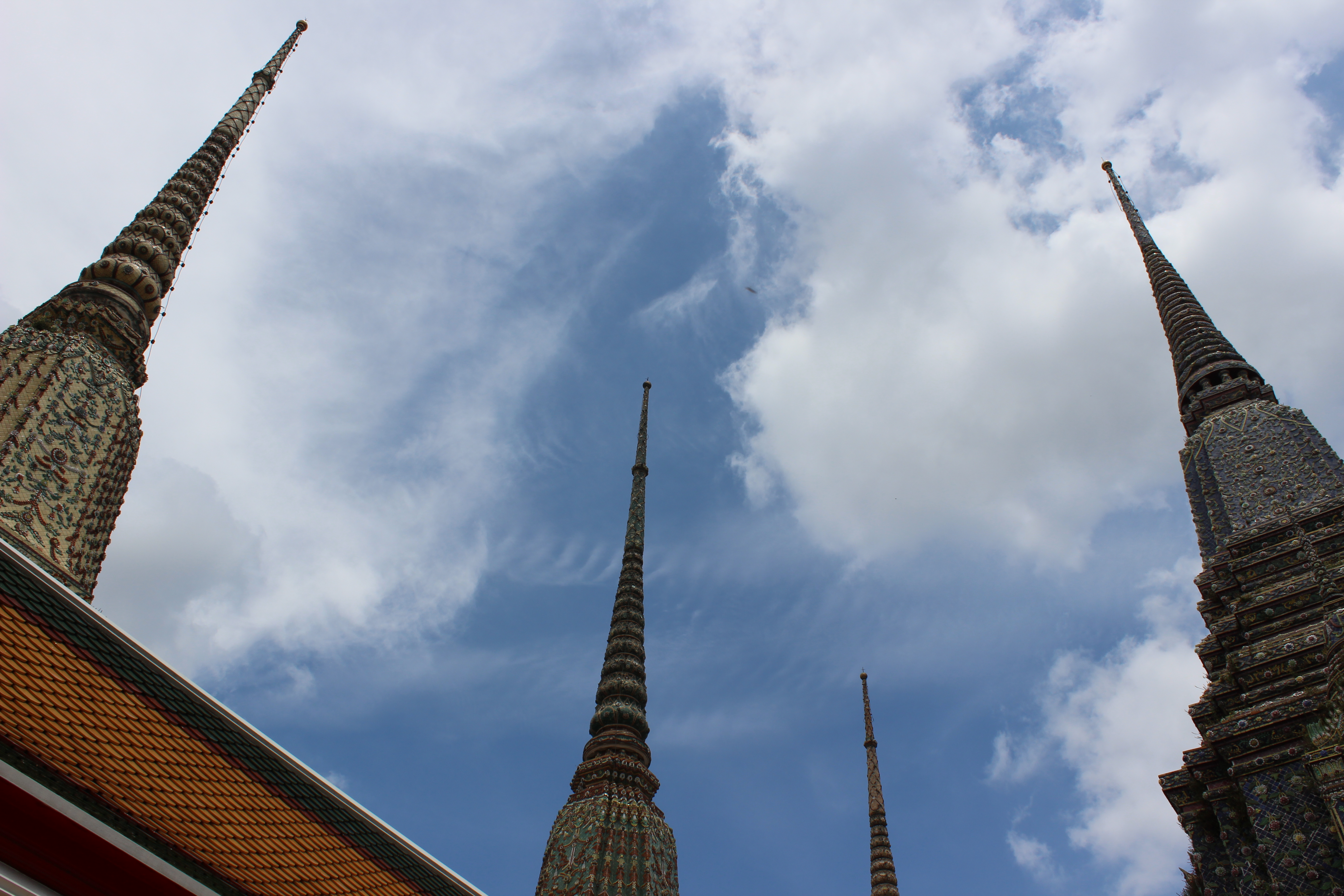
In Spires In Thailand
Author’s note: in the style of Gil Scott-Heron’s “The Revolution Will not Be Televised,” preferably with some light jazz music in the background…
Enlightenment will not be delivered to your doorstep by drone, from Amazon flown and by PayPal paid, nor Bitcoin bought, but traded in kind and in species of the heartfelt kind, love and forgiveness and kindness and compassion and submission and surrender to that higher power that represents us all in the courtrooms of consciousness, and the guard posts of Godliness, the board rooms of the Bhagwan and the after-death chambers of pure heavenly delight, whipped and battered and dipped in divinity…
But Enlightenment will not be downloaded…
Enlightenment will not be brought to you in a half-time show of the 52nd annual Super Bowl Classic presided over by Beyonce’, Rihanna, Lady Gaga and Ariana Grande in glorious female profusion as they strut their stuff in sequins and fluff, while smoke and mirrors huff and puff in reflections and other assorted shiny stuff all around them…
But Enlightenment will not be downloaded… (More …)



 Every self-proclaimed atheist takes it as an article of faith (!) that the material world is the real world, and that any competing claims from the realms of religion and/or any other spurious metaphysics must be misguided at best, silly superstition most likely, at worst maybe even one of many conspiracy theory scenarios that inhabit the minds of the disenfranchised and disenchanted…
 Trebronztul, and



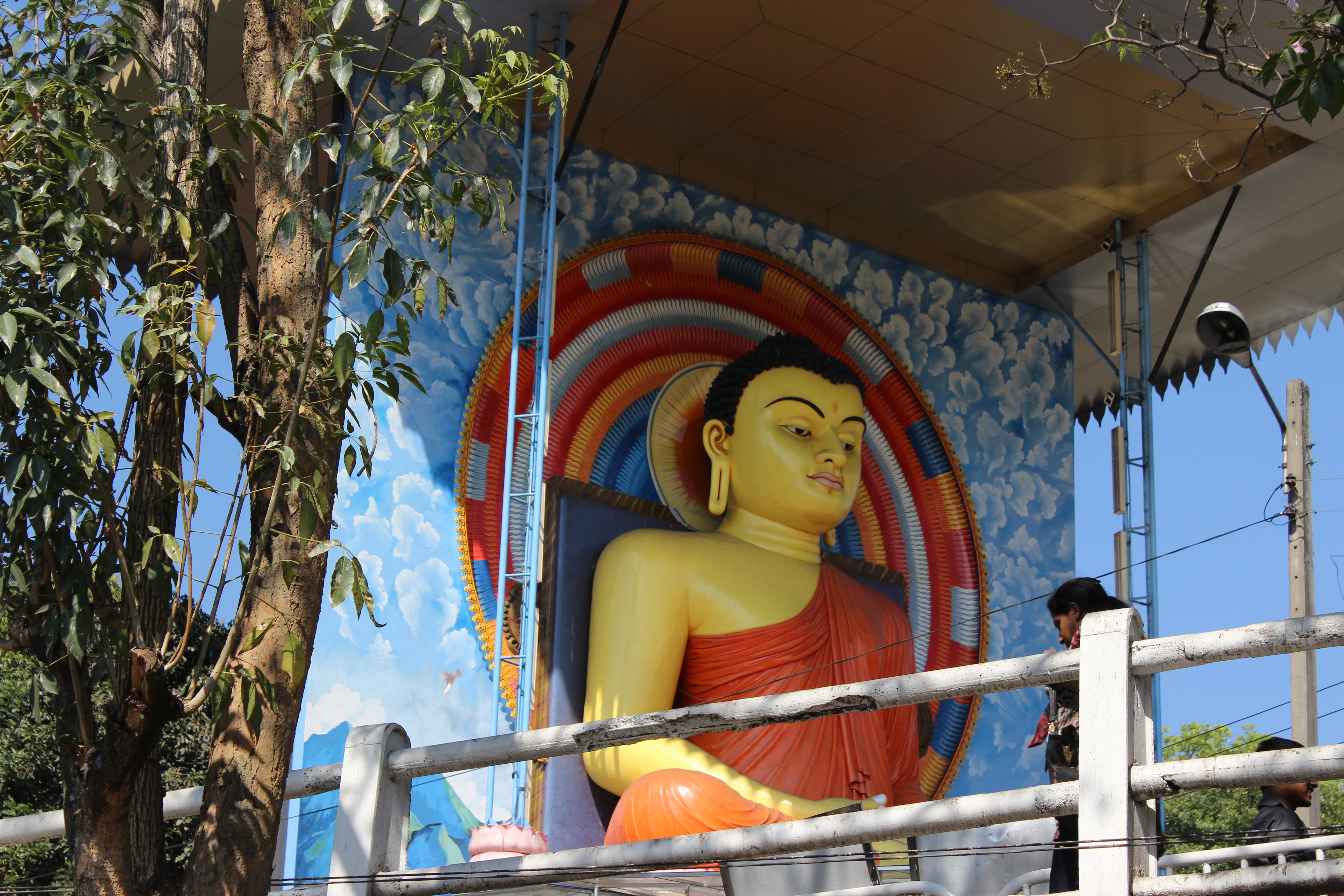
 All religions want the same thing—goodness in general, peace brotherhood compassion and mercy in particular. But their prime proponent visionaries—Buddha, Christ and Prophet—each saw different ways of getting there—non-self and non-craving first, love and forgiveness next, and then finally submission and surrender. And all of them can work, if maybe more appropriate for different groups of people at different times in history…

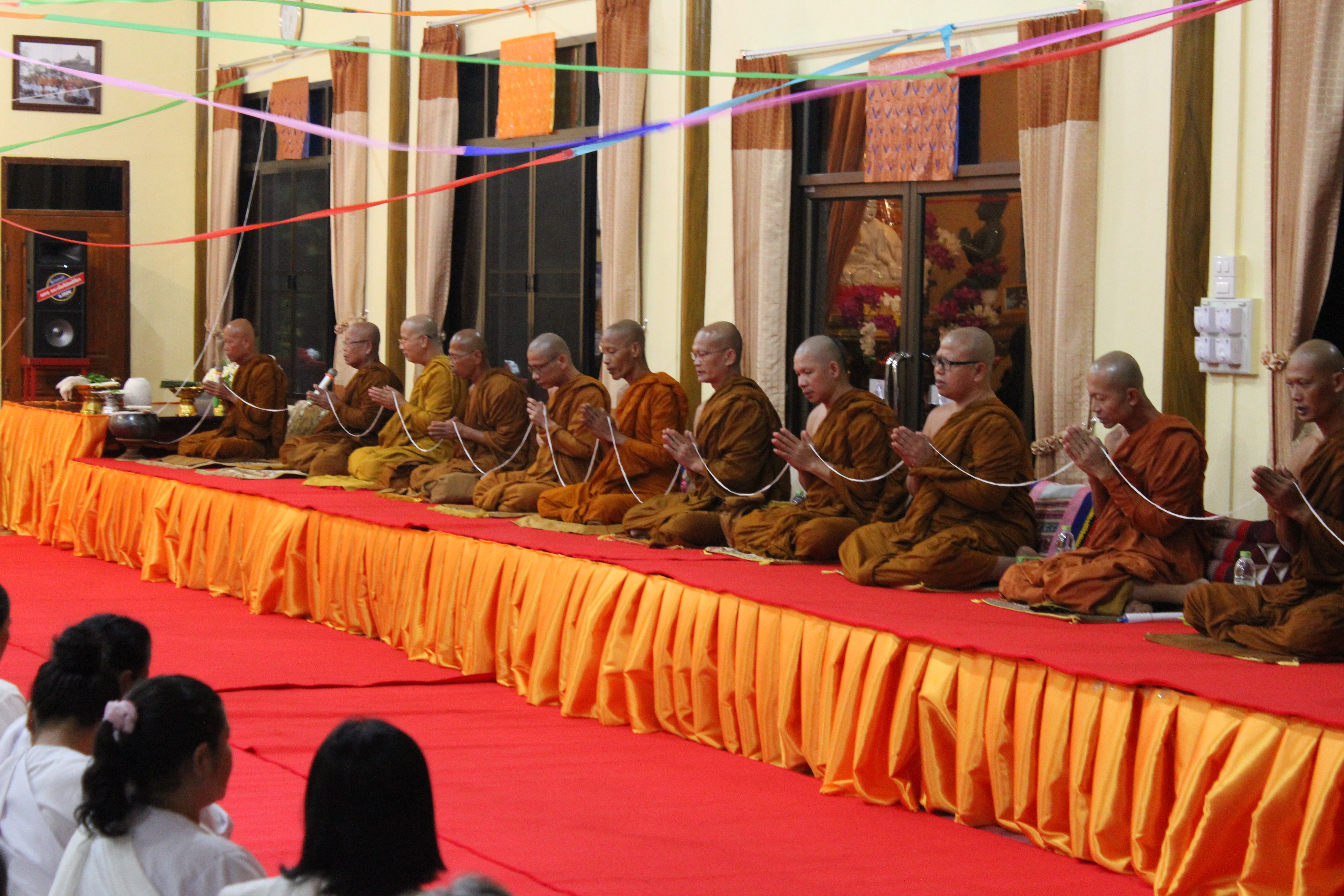 There is no hotter topic in Buddhism these days, or New Age-y esoteric philosophy, than nowness—the Eternal Now, the Infinite Present Moment, etc.—not even mindfulness nor lovingkindness. This is at least partly due to Eckhart Tolle’s popularization of the topic, no doubt, but neither is there any doubt about where he got it, either—Buddhism and/or Hinduism…

 When the world is in chaos, normalcy is hip. For many decades now, we’ve worshipped the ‘adventurer’ out on the edge, bold and daring, whether in sports or art or literature or music: the wild man, the risk-taker, the bad boy, and all too often: the degenerate, drinker, drug abuser, and sexual deviant…
 streaming consciousness...
Reply