


Buddhism 202: No Self Means no Selfishness
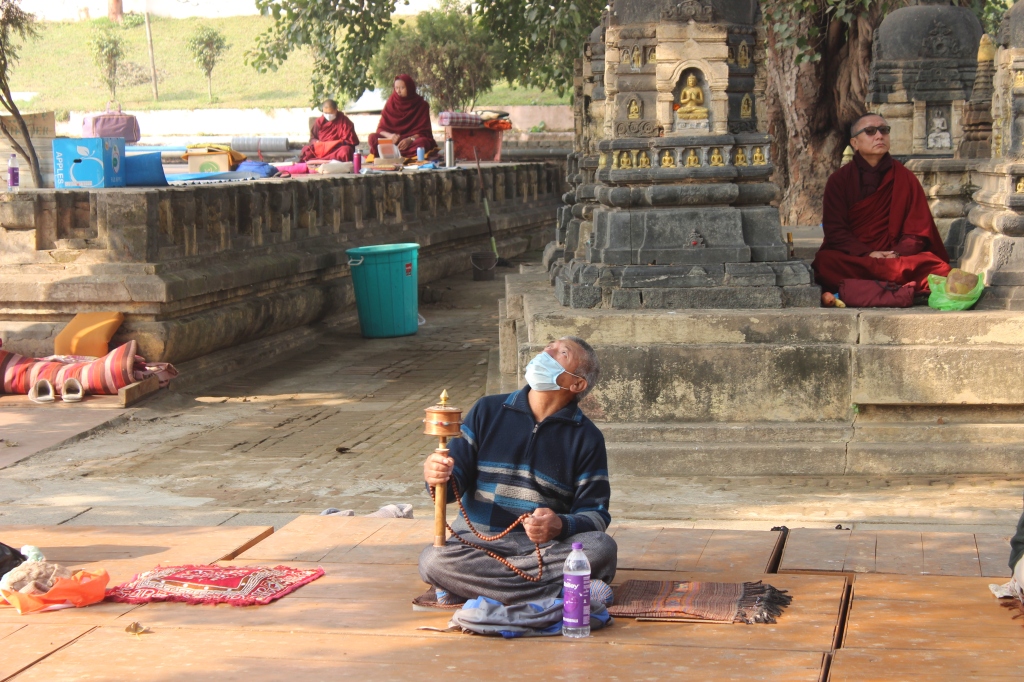
Selfishness is a refuge only for the wicked and the ignorant, because it is no refuge at all. And this is possibly the best definition of the Buddhist doctrine of anatta, i.e. non-self, or no-self, that it is the opposite of selfishness. That’s only partially true, though, and is, or was, really more of a point of distinction between an emerging Buddhism and a rapidly evolving ‘Hinduism’, i.e. the Brahmanism of the 5th century BC and its eternal Brahmin and its cosmic self.
And that Buddhist doctrine was later expanded into the equally or even more famous shunyata ‘emptiness’ which took the impermanence and unimportance of the self and expanded it to almost everything, or at least everything pretentious enough to pretend to permanence or even importance. But selfishness is among the worst kileshas, or Buddhist sins, on a par with hate, greed, craving, and anger.
Life is not a popularity contest. If you engage in false flattery, then you’ll only have false friends. If you engage in selfishness, you’ll only have yourself to blame for the craven half-hearted character that you might become in the process. Because selfishness does not elevate the self, such as it is. It can only degrade it, or what’s left of it. Selfishness is that imaginary self at its worst, grasping and clinging like no tomorrow. And that’s the honest truth. Because there is no tomorrow. There is only today. And today will soon go away and become something permanent, in the past, hard and cold. Let’s stay warm.


Reply