


Buddhism, Meditation, Alpha Males and the Myth of Leadership…

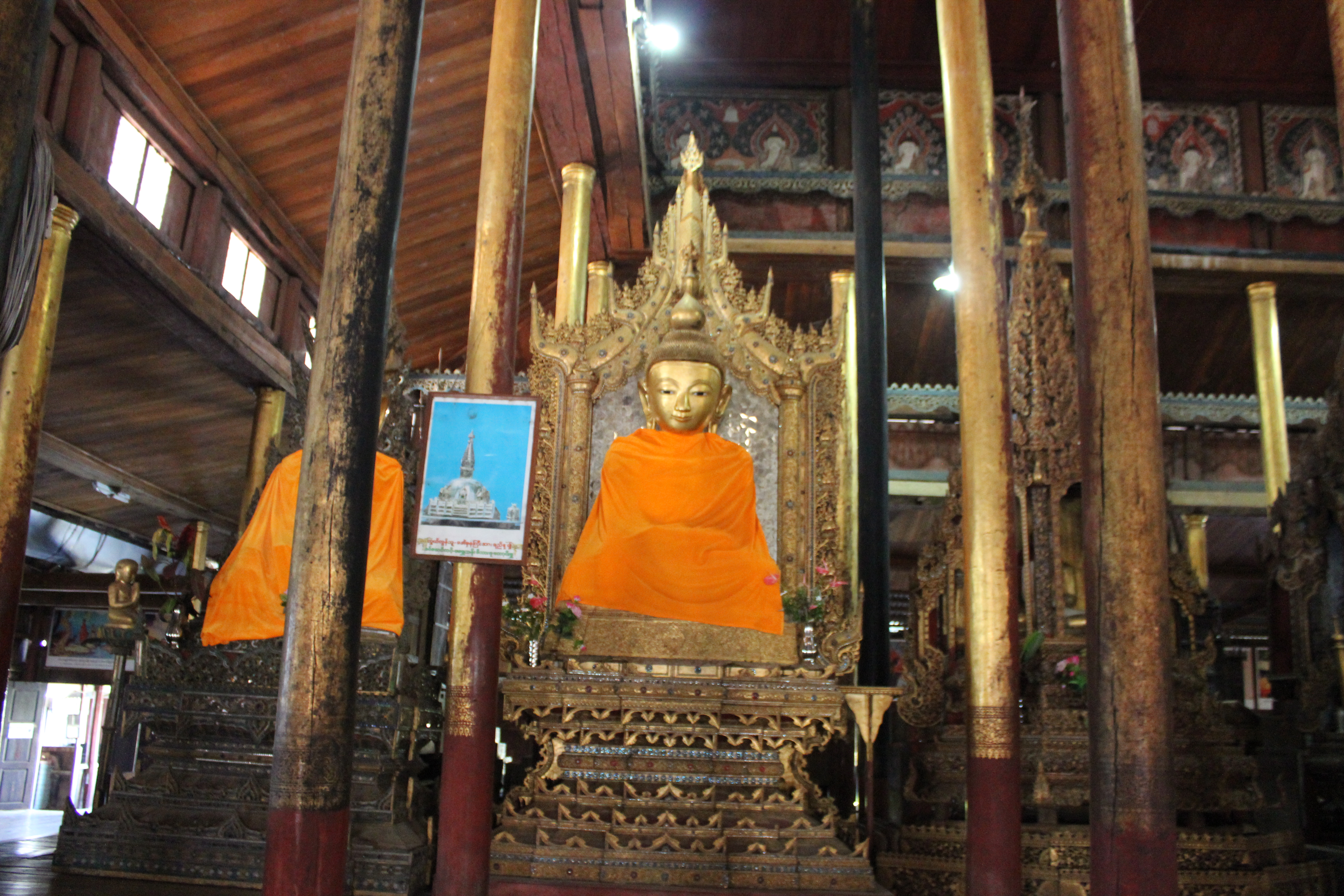 When people ask me about meditation practice and/or Buddhism, I make it clear that meditation is one thing, and Buddhism is another, though I certainly appreciate both, even if knee problems likely mean that I’ll never achieve the classic lotus pose, and maybe not even the half of it…
…so sitting meditation becomes chair meditation, which is just as good or better, just not as cool to look at, though maybe better for sati, ‘mindfulness’, if the cross-legged pose is uncomfortable, thus freeing the mind for focus, on nothing, emptiness, the vast undefined, even if in a sitting position less defined than the classic figure-8 flower… (More …)


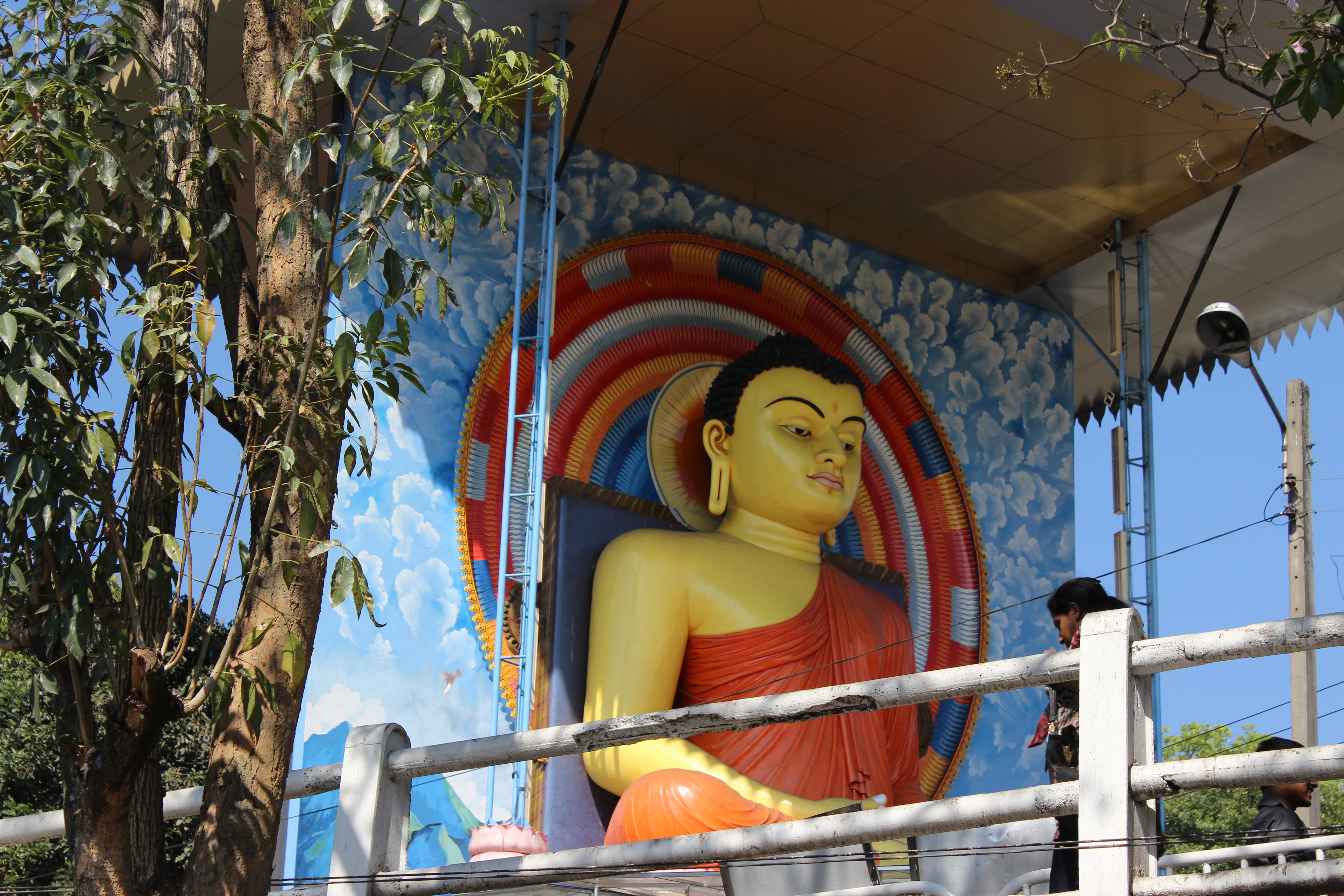
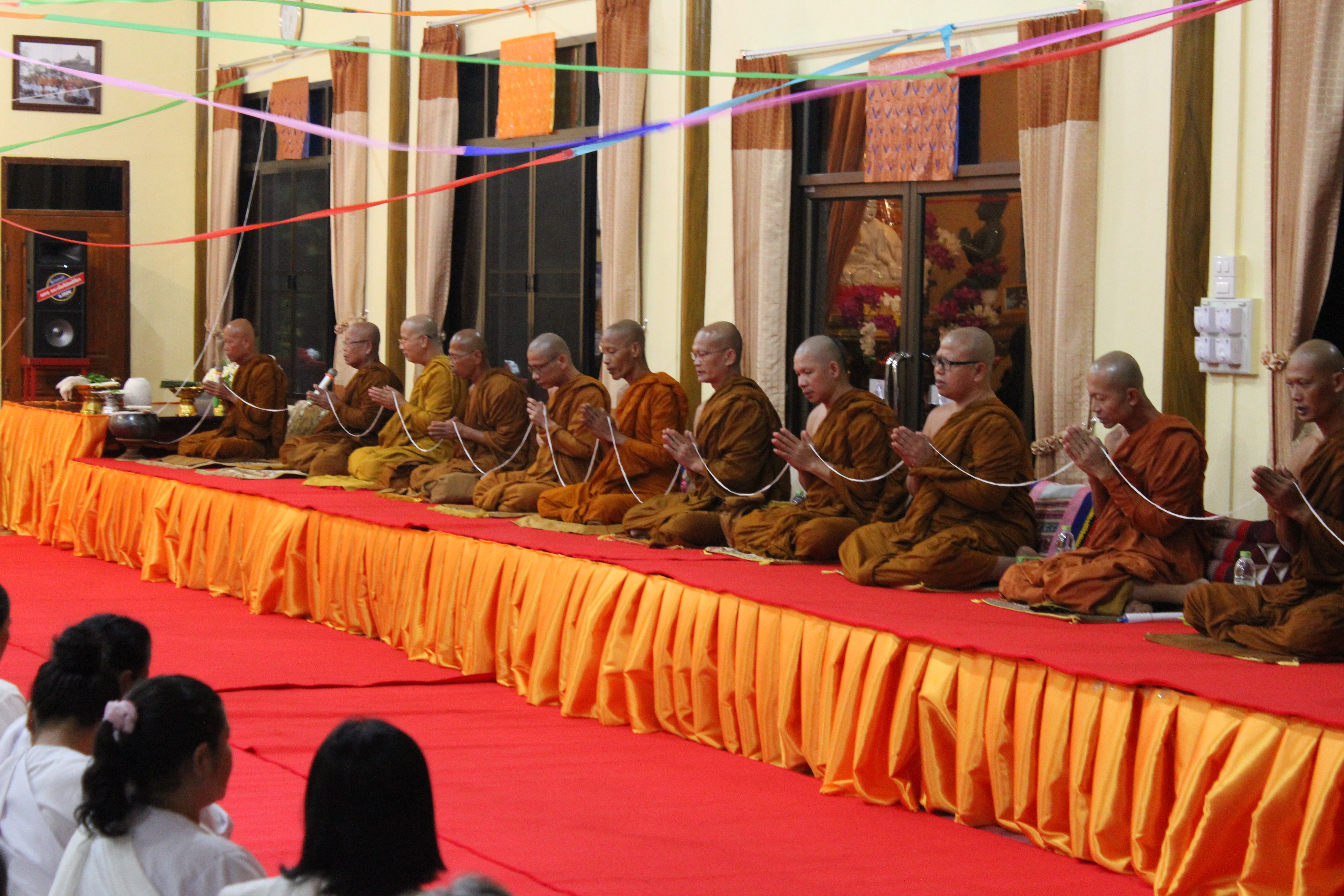 There is no hotter topic in Buddhism these days, or New Age-y esoteric philosophy, than nowness—the Eternal Now, the Infinite Present Moment, etc.—not even mindfulness nor lovingkindness. This is at least partly due to Eckhart Tolle’s popularization of the topic, no doubt, but neither is there any doubt about where he got it, either—Buddhism and/or Hinduism…


 So now that I’ve self-identified as Buddhist for almost a year, I figure I know pretty well the heart and mind of the Buddha, and so should begin second-guessing him, in order to clarify a few points that remain confusing after 2560 years (cue snickers). Okay, so here goes: everybody knows the Four Noble Truths, right? 1) The prevalence of suffering; 2) the cause of suffering: craving; 3) the cure for suffering: don’t do that, and 4) the way to accomplish that: follow the Middle Path, avoidance of extremes…


 Predestination is, or at least WAS, the Holy Grail of all religion, primitive religion, false religion, to have it all figured out, planned out, whether past lives or Heaven and Hell, the threat of future punishment to keep you in line at the present, but the Buddhist belief in past lives creates life not proactive, but retroactive. Ditto Christianity with heaven and Hell. That’s the social function of religion, keeping us in line…
 The conundrum of existence is that consciousness inhabits flesh, some how some way, or that flesh possesses consciousness, if viewed from the opposite perspective, inside out upside down, impossible to say which came first, or whether they came simultaneously like all the best sex, though the material paradigm always takes precedence in the material world…
 So this is what it’s like, I guess, to die so alone so far from home with no crib for a bed no greatest hits from the Grateful Dead, just four walls and two sheets and an extra pillow might work I guess in a pinch in a delirious state of mind where a thing anything soft and curvy might satisfy the existential need to put hard things in soft places, beats the current rage of scurvy and influenza, dengue and consumption ravaging my body with its heartless tentacles eating my soul and leaving me alone dying trying…
 streaming consciousness...
davekingsbury 3:45 pm on July 10, 2017 Permalink |
I think the link with the wider world is as significant as the opportunity for personal development. This makes that point firmly, Hardie.
hardie karges 4:48 pm on July 10, 2017 Permalink |
First we take Manhattan…