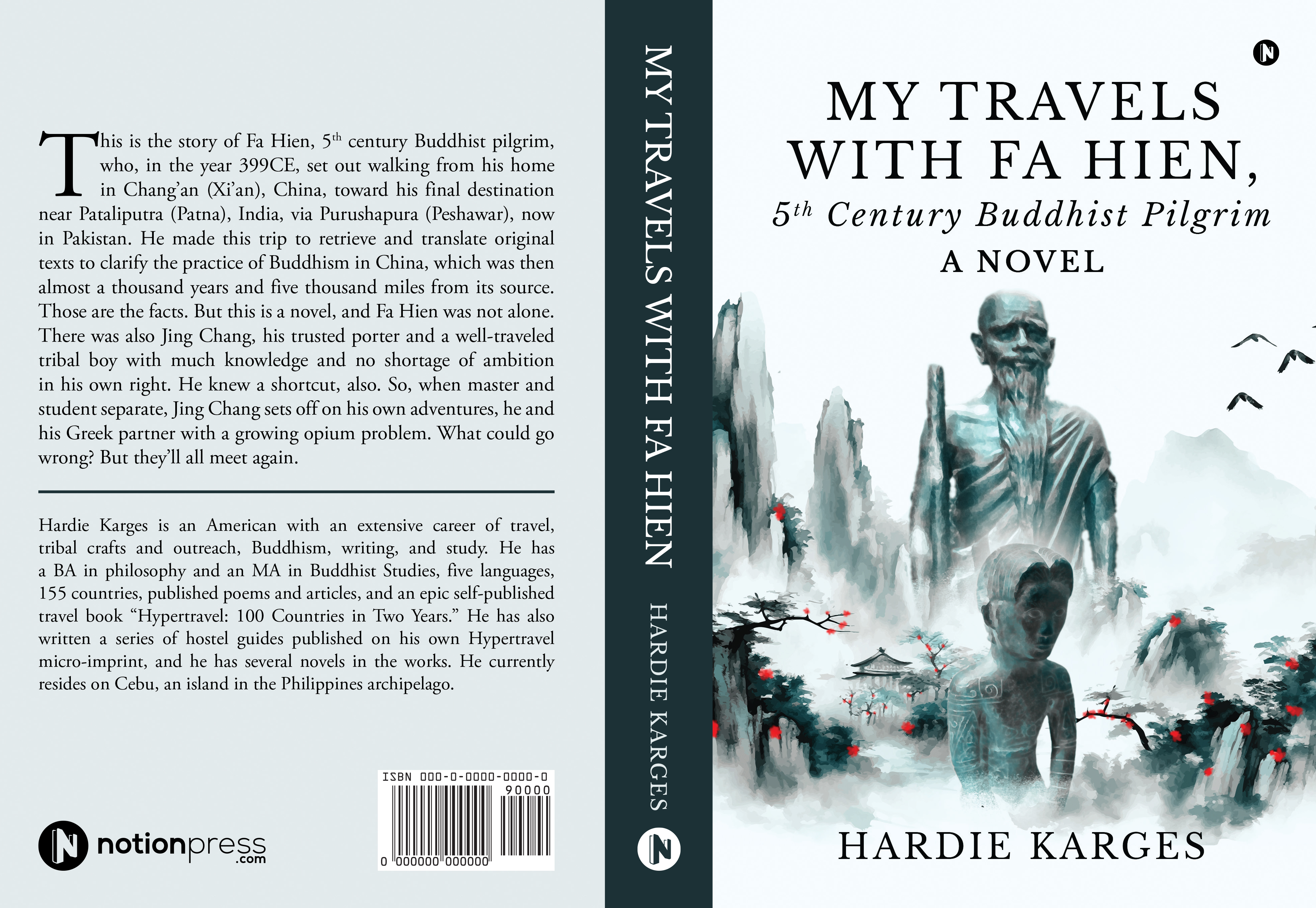


Buddhism is the Middle Path between Jainism and Brahmanism…

Brahmanism is what we now call ‘Hinduism’, but that term didn’t really exist way back when, only recently applied by the Brits to the plethora of sects and devotions which now constitute Hinduism. But it was in the midst of the Upanishad era at the time of the Buddha, which would redefine the previously Indra-based fire rituals which had reigned during the Vedic times. And with the advent of the new Upanishadic orientation, the resulting resemblance to Buddhism was profound—but still distinct.
And so was Jainism distinct from both of them, at the same time that it shares much with them. But remember, that the ‘Hinduism’ that the Jain reacted to in the 6th century BCE is not the same as modern Hinduism, either, and that is partly because of this same three-way dialogue. Jainism was largely a reaction against the Brahmanists’ fire sacrifices, they being extreme nonviolent vegetarians. But many modern Hindus are also vegetarians, with Buddhists characteristically somewhere ‘in between.’
That’s the Middle Path, specifically between the extreme asceticism of the Jains and the lavish rituals of the ‘Hindus’, but also between the many gods of Hinduism and the total lack of them in Jainism. Technically Buddhists don’t really have them, either, but, you know… Later versions of Buddhism were not so strict about that, such as the Tibetan version of Vajrayana, which came direct from India sometime after the 5th century and attested by Padmasambhava in the 8th century.
But both Jains and Hindus were crazy about souls, Jains finding them everywhere and Hindus finding them cosmic, Atman, preferably in union with the cosmic dharma principle Brahman. But Buddhism found little of value in any of that, and so chose non-self anatta. So, they all evolved into different sects with different orientations, and we generally all get along nicely. The main difference is that Hinduism tilted toward a nationalism which international Buddhism could never assimilate. And Jains, ‘winners’ in Sanskrit, were ultimately the losers.
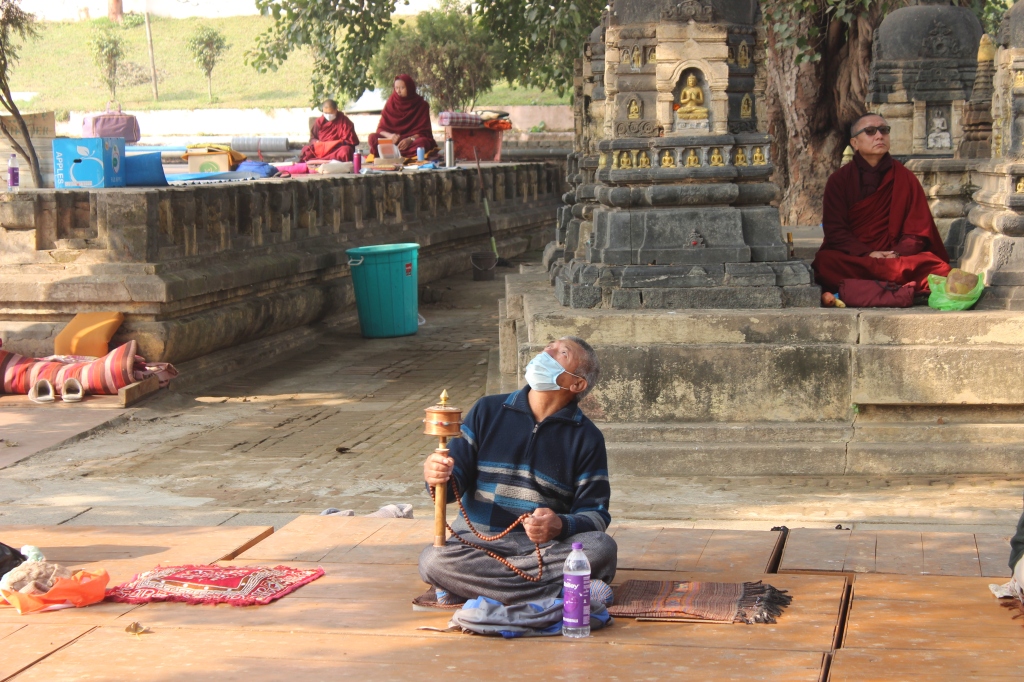
 streaming consciousness...
Reply