


Buddhism Loves a Sangha, but Loves Solitude, too…

Western psychology thinks solitary confinement is torture. Buddhism thinks it’s pretty nice—sometimes. Go figure. Because that’s exactly what meditation is, is it not? That and concentration, yes, exactly, at least in meditation’s original purest form, which is maintained to this day in Theravada Buddhism, so important there that it’s often called Vipassana by its association. And it’s true. I couldn’t believe it the first time I did a retreat in a Thai forest temple, laymen silent unflinching for hours, monks even longer.
I haven’t witnessed that degree of meditative absorption in the Tibetan or Chinese temples where I have experience and knowledge, but it might certainly exist there. And Zen might be another level of attainment, since the name derives from dhyana, after all. All of which goes to make a distinction with the typical Western ‘guided’ meditation, which, whatever its benefits, I simply wouldn’t consider true meditation, maybe more like a ‘dharma talk’ if done well. But if it’s not a Buddhist meditation group, then it might not be a Buddhist talk. Hindus are still trying to reclaim Buddhism as their own.
But the point is that, while solitude might be torture for some, it doesn’t have to be. And it’s more likely to be, I think, if you’re accustomed to living your life in crowds and constant confusion. For someone raised on a farm out in the countryside, what’s a little solitary confinement? Sounds like Sunday afternoon. Solitude can and should be something good, healthy, and productive. If they don’t teach meditation in prisons, then they certainly should. It just might save somebody’s life sometime.


 kc, and 1 other are discussing.


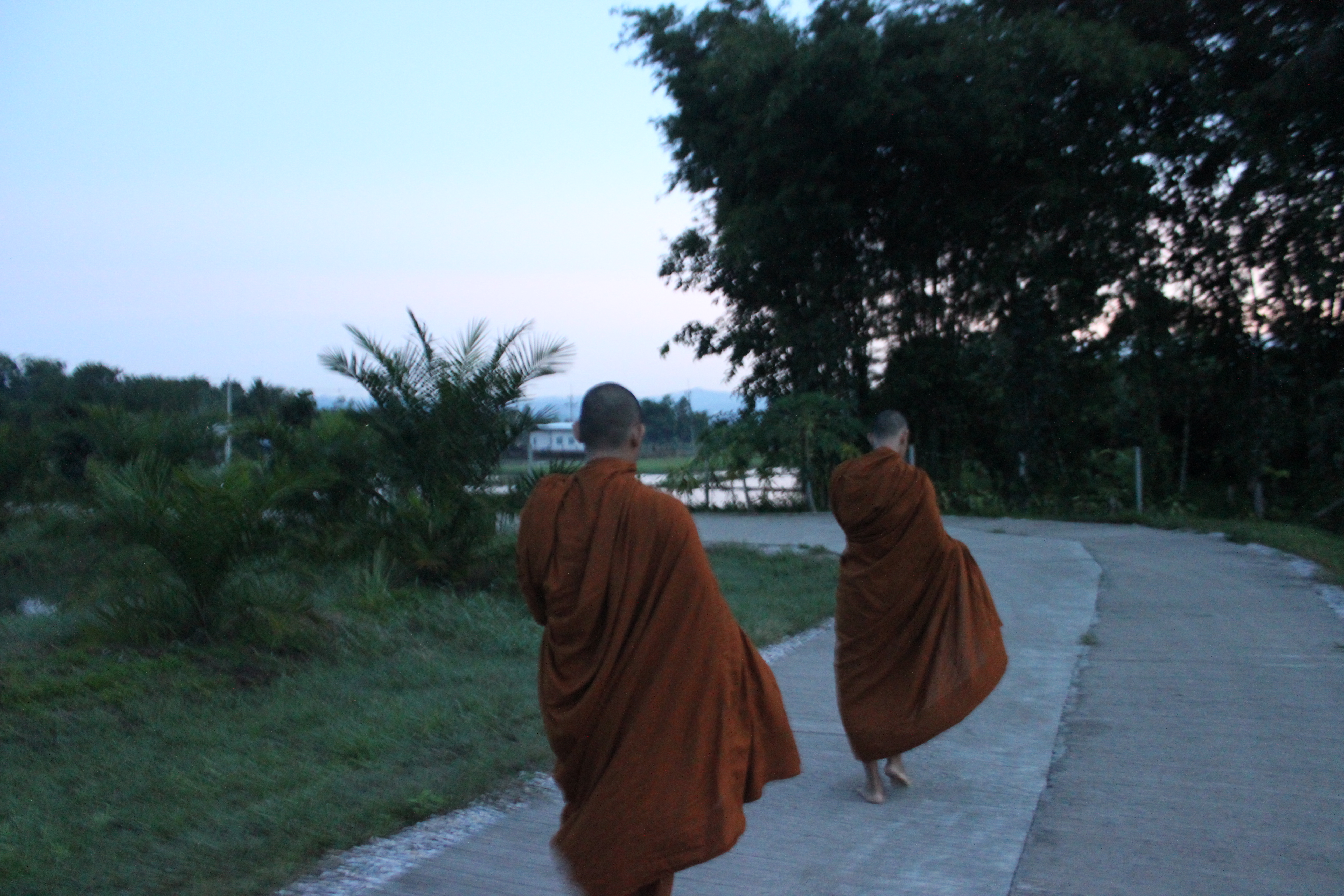 Thai Buddhist ‘Forest Temples’ are not the saffron gilded air-conditioned temples of the cities and towns, but rustic temples of the woods, the outback and the heart, a tradition dating from a time when Thailand actually HAD forests and itinerant monks walking through them. This tradition dates back little more than one hundred years, but in that period of time has gained many adherents, both local and international, mostly due to the efforts of the late Ajahn Chah, who taught many foreign disciples, and set them loose upon the world…
 streaming consciousness...
Reply