


Buddhism in a Time of Troubles

In times of chaos, we need calm minds. In times of crisis and cruelty we need strong hearts. Welcome to the USA, c. 2025. It is a time of peace. It is a time of war. There’s no real way to know what future historians will think about this era, but it probably won’t be good. Goodness is as goodness does, and cruelty just doesn’t count for much, unless you’re engaged in some frightfully fanciful fantasy. But Buddhism is just the opposite of that, and that comes after many a long involved historical dialectic, the likes of which continue to this day.
But cruelty was never the kicker. Kindness is. The Dalai Lama said it, and I’d second it in a second. In Buddhism you don’t really have to do much of anything, as long as you’re nice about it. In fact, Buddhism is defined more or less by what you’re NOT to do, e.g. the precepts, not to be confused with the commandments, more like the prohibitions. Then there’s Emptiness, ‘shunyata‘, which veritably defines Buddhism by its lack of requirements, meditation being the prime example.
So, the trick is not to be consumed by the swirl of politics and policies, even when the angst is almost overwhelming. After all, sometimes the worst situations eventually yield the best results. The important thing is to hold fast to certain principles, no matter how difficult that can sometimes be. Then there are ‘skillful means.’ That means that sometimes difficult goals can be accomplished in unfamiliar and unexpected ways. Be creative. The world is waiting patiently.


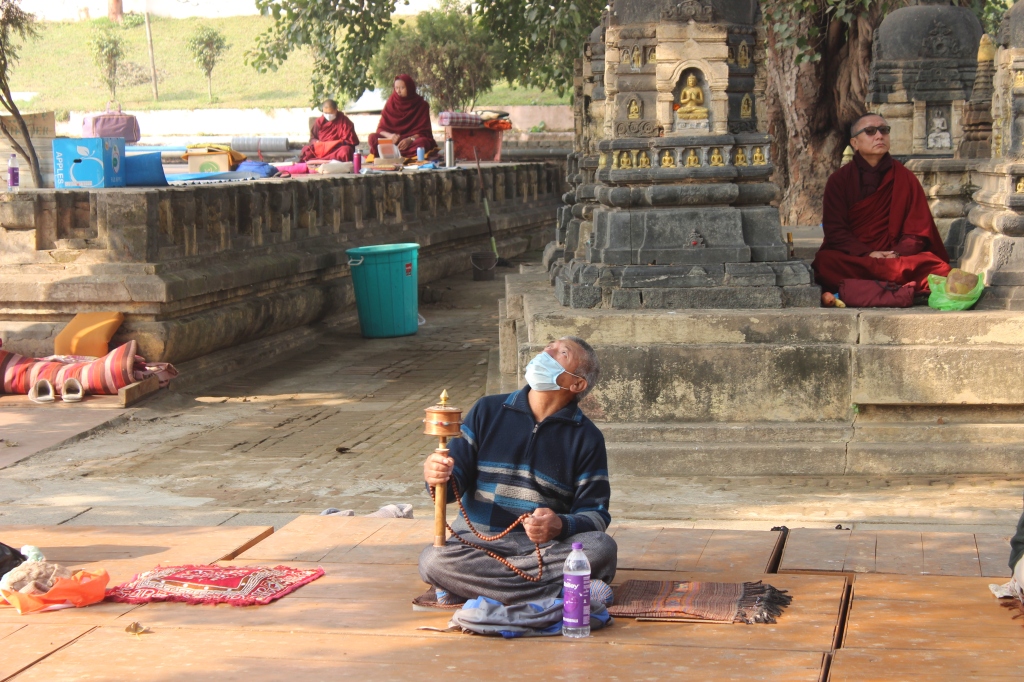


 streaming consciousness...
Reply