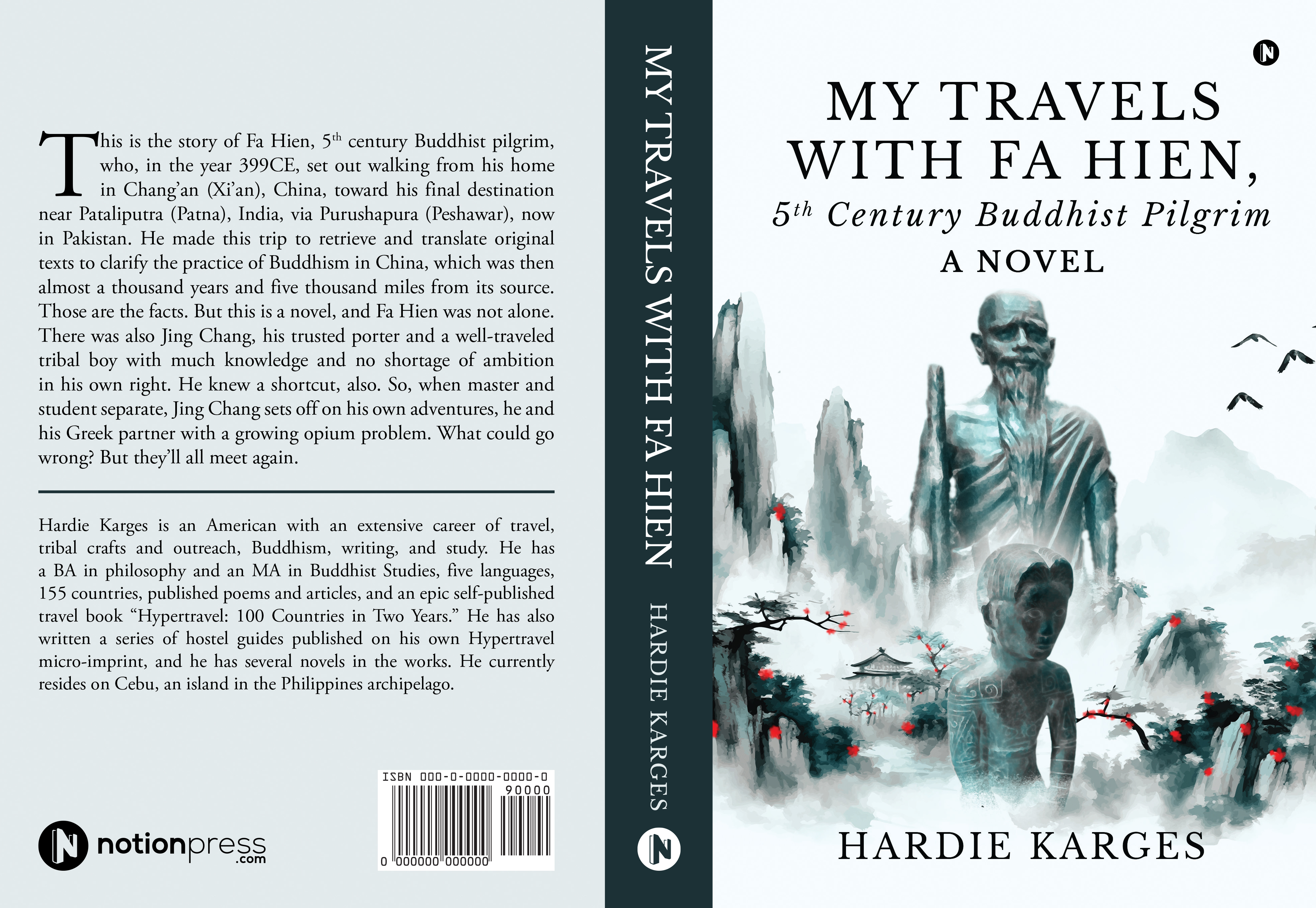


Buddhism 101: the Middle Path is Easy
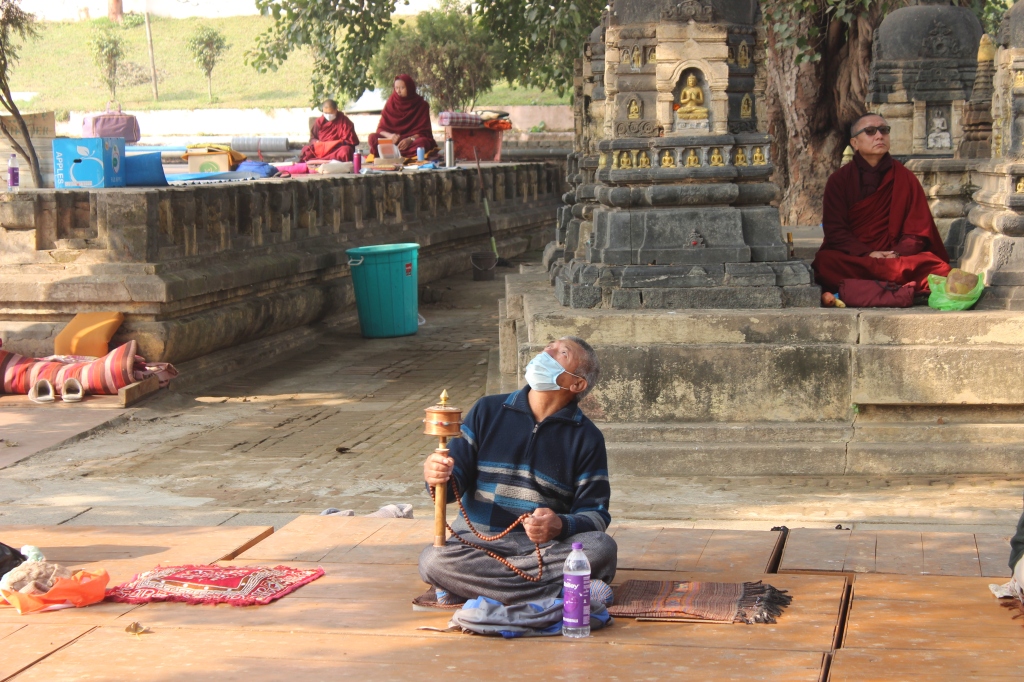
Muslims don’t always seem happy. Christians sometimes seem too happy. Buddhists seem just about right, more or less, give or take, on average, all things considered. That’s the middle path, that sweet spot somewhere between extremes, of luxury and lack, surrender or attack, white and black, better multicolor than random shades of gray. And that’s foundational to Buddhism, that lack of hard doctrine, much less dogma, in favor of an all-encompassing dharma based on principles on moderation, mediation, and avoidance of extremes and attachments.
“My religion is kindness,” the Dalai Lama himself once famously said, and that about wraps it up, on the foundational level, when combined with meditation as the finest form of practice. Sure, there’s the ontological primacy of emptiness, still, but that makes little or no difference in the average person’s life, it itself subject to shifting connotations and lack of definition, resonant mostly as the dueling protagonist in the Heart Sutra refrain, “Form is Emptiness, Emptiness is Form,” fully transcendent but ultimately inconclusive.
Buddhism is first and still foremost discipline, dignity, and detachment, far from the madding crowds and seething temptations. Control your mind to control your circumstances, especially when the likelihood of changing those circumstances is minimal. Choose your battles carefully. Save yourself, then save the world. That’s the best that we can do. Do it now.
 streaming consciousness...
Reply